Our Location
304 North Cardinal St.
Dorchester Center, MA 02124

304 North Cardinal St.
Dorchester Center, MA 02124

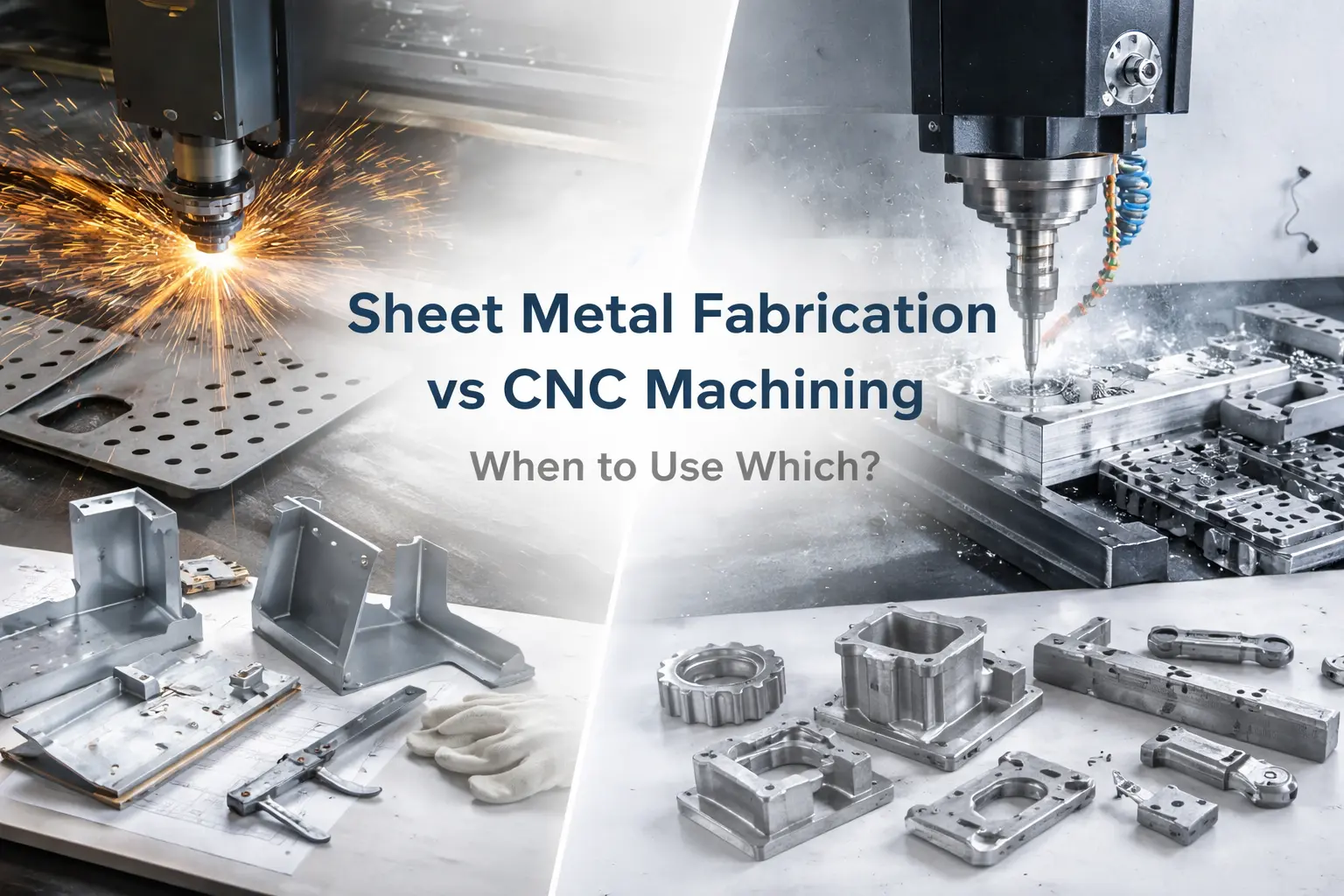
Sheet metal fabrication refers to a group of manufacturing techniques used to transform flat metal sheets into functional components and structures. This approach is widely used in industries such as automotive, electronics, aerospace, and industrial equipment because it enables efficient production of lightweight yet durable parts. The process typically starts with raw sheets made from materials like aluminum, stainless steel, or galvanized steel, which are then shaped using methods such as laser cutting, punching, bending, and stamping. Each step is optimized to achieve precise dimensions while maintaining structural integrity, making this method ideal for producing enclosures, brackets, panels, and frames.
One of the major advantages of this process lies in its cost efficiency for medium to high production volumes. Since material utilization is high and waste is relatively low compared to subtractive methods, manufacturers can significantly reduce production costs. Additionally, modern fabrication technologies such as CNC laser cutting and automated bending machines have improved consistency, repeatability, and speed. These advancements allow for tight tolerances and high-quality finishes, even in complex production runs.
Another key benefit is design flexibility within certain limits. While it is not suitable for highly intricate internal geometries, it excels in creating folded structures and thin-walled components. Designers often follow specific guidelines, such as maintaining uniform thickness, using proper bend radii, and minimizing unnecessary features, to ensure manufacturability and cost control. Surface finishing options like powder coating, anodizing, and plating further enhance the durability and appearance of fabricated parts.
For businesses seeking scalable and cost-effective solutions for metal components, this manufacturing approach remains a top choice. If you are exploring professional services in this area, you can learn more about available capabilities here: https://winsunproto.com/product-category/sheet-metal/.
CNC machining is a highly precise manufacturing method that uses computer-controlled machines to remove material from a solid block, resulting in parts with tight tolerances and complex geometries. This subtractive process includes operations such as milling, turning, drilling, and tapping, all of which are guided by digital CAD/CAM programs. It is widely recognized for its ability to produce intricate designs that would be difficult or impossible to achieve through forming-based methods.
One of the defining characteristics of CNC machining is its exceptional accuracy. Tolerances can often reach ±0.01 mm or even tighter depending on the equipment and material, making it ideal for industries that demand precision, such as aerospace, medical devices, and high-performance engineering. The process also supports a wide range of materials, including metals like aluminum, titanium, brass, and stainless steel, as well as engineering plastics.
Unlike forming methods, this approach allows for the creation of complex three-dimensional shapes, including internal cavities, threads, and undercuts. This makes it especially suitable for functional components that require both mechanical performance and geometric complexity. Additionally, CNC machining is highly flexible for low-volume production and rapid prototyping, as it does not require expensive tooling or molds.
However, this flexibility comes with certain trade-offs. Material waste can be higher due to the removal process, and machining time may increase with part complexity. Despite this, the unmatched precision and versatility often justify the cost, especially for critical applications. For companies looking to source high-quality precision parts, you can explore professional solutions here: https://winsunproto.com/product/cnc-machining/.
Understanding the differences between these two manufacturing approaches is essential for making informed decisions in product development and production planning. Each method offers unique advantages and limitations, and selecting the right one can significantly impact cost, lead time, and overall product performance. Engineers and procurement teams often face the challenge of balancing design requirements with budget constraints, which makes this comparison highly relevant.
One of the primary reasons this comparison is important is cost optimization. Choosing an unsuitable method can lead to unnecessary expenses, whether through excessive material waste, longer machining times, or high tooling costs. For example, using a subtractive process for simple flat parts may increase costs unnecessarily, while relying on forming techniques for highly complex components may result in design compromises or additional secondary operations.
Another critical factor is production efficiency. Different manufacturing methods are better suited for different production volumes. Some processes excel in rapid prototyping and small batches, while others are more efficient for large-scale production. Understanding these differences allows businesses to align their manufacturing strategy with project requirements, reducing delays and improving turnaround times.
Performance and functionality also play a major role. Certain applications require high precision and tight tolerances, while others prioritize lightweight structures and cost efficiency. By carefully evaluating these needs, manufacturers can select the most suitable approach and achieve optimal results. Ultimately, comparing these processes helps ensure that the final product meets both technical and commercial expectations.
The fundamental difference between these two manufacturing approaches lies in how material is shaped. One method relies on forming techniques, where flat sheets are cut, bent, and shaped into desired forms without significantly removing material. The other relies on subtractive techniques, where material is gradually removed from a solid block to achieve the final geometry. This distinction has a direct impact on efficiency, waste, and design possibilities.
Forming processes are generally more material-efficient because they minimize scrap. Most of the original sheet is retained in the final part, making it a cost-effective option for large-scale production. In contrast, subtractive processes often generate chips and waste as excess material is removed. While recycling is possible, the initial material usage is still higher, which can influence overall costs.
Another important consideration is the type of machinery used. Forming processes typically involve equipment such as press brakes, laser cutters, and stamping machines, which are optimized for speed and repeatability. Subtractive processes, on the other hand, rely on advanced CNC machines capable of multi-axis movement, allowing for intricate and highly detailed parts. This difference in equipment also affects setup time, scalability, and production speed.
Ultimately, the choice between these approaches depends on the specific requirements of the project. For simple, high-volume parts, forming methods often provide better efficiency. For complex, precision-driven components, subtractive methods are usually the preferred option.
Design complexity is another major factor that distinguishes these manufacturing methods. Forming techniques are best suited for relatively simple geometries, such as flat patterns that can be bent into shape. While modern technology allows for some level of complexity, there are still limitations when it comes to creating intricate internal features or highly detailed three-dimensional structures.
In contrast, subtractive methods excel in producing complex geometries. Multi-axis machining enables the creation of intricate shapes, internal cavities, threads, and undercuts that would be difficult to achieve through forming. This makes it an ideal choice for components that require high functionality and precise engineering, such as mechanical assemblies and high-performance parts.
However, increased complexity often comes with higher costs and longer production times. Designers must carefully evaluate whether the added complexity is necessary for the application or if a simpler design could achieve the same functionality. In many cases, simplifying the design can lead to significant cost savings without compromising performance.
Balancing design requirements with manufacturing capabilities is essential. By understanding the strengths and limitations of each method, engineers can optimize their designs for both performance and cost efficiency.
Precision is a critical factor in manufacturing, especially for applications that require tight tolerances and high accuracy. Subtractive processes are well-known for their ability to achieve extremely precise dimensions, often within microns. This level of accuracy is essential for industries such as aerospace, medical devices, and precision engineering, where even minor deviations can affect performance.
Forming processes, while capable of producing consistent and reliable parts, generally have looser tolerance ranges. Factors such as material springback, bending variations, and tool wear can influence the final dimensions. Although modern equipment has improved accuracy, it still cannot match the precision offered by subtractive methods.
Despite this difference, forming processes are more than adequate for many applications, particularly those that do not require extremely tight tolerances. For example, enclosures, brackets, and structural components can be produced efficiently without the need for ultra-high precision. In such cases, choosing a forming method can significantly reduce costs while still meeting functional requirements.
Selecting the appropriate level of precision is crucial. Over-specifying tolerances can lead to unnecessary expenses, while under-specifying can compromise performance. A clear understanding of application requirements helps ensure the right balance between accuracy and cost.
Material considerations play a significant role in determining the most suitable manufacturing approach. Forming methods are typically limited to thin sheets, which makes them ideal for lightweight structures and applications where weight reduction is important. Common materials include aluminum, stainless steel, and carbon steel, all of which offer a good balance of strength, durability, and cost.
Subtractive methods, on the other hand, are not constrained by thickness in the same way. They can work with solid blocks of material, allowing for greater flexibility in part design and structural integrity. This makes them suitable for components that require higher strength or more complex geometries.
Material selection also affects machinability, cost, and performance. Some materials are easier to cut and shape, while others may require specialized tools and processes. Understanding these factors helps ensure that the chosen method aligns with both design requirements and production goals.
By carefully evaluating material properties and limitations, manufacturers can optimize their processes and achieve the best possible results.
Surface finish is an important consideration for both aesthetic and functional purposes. Forming methods often require additional finishing processes to achieve the desired appearance and performance. Techniques such as powder coating, anodizing, and plating are commonly used to enhance corrosion resistance and visual appeal.
Subtractive methods can produce high-quality surface finishes directly from the machining process, especially when using advanced equipment and fine cutting tools. However, additional finishing may still be required for certain applications, particularly those that demand a polished or decorative appearance.
Post-processing also includes steps such as deburring, polishing, and assembly, which are essential for ensuring the final product meets quality standards. The choice of finishing techniques depends on factors such as material type, application requirements, and budget constraints.
Ultimately, both methods offer a range of finishing options, but the approach and cost may vary. Understanding these differences helps manufacturers plan their production processes more effectively and achieve the desired results.
Material cost is one of the most significant factors in manufacturing, and it varies greatly between different processes. Forming methods are generally more efficient in terms of material usage because they rely on cutting and shaping flat sheets with minimal waste. Most of the original material ends up in the final product, which helps reduce overall costs, especially in large production runs.
In contrast, subtractive methods involve removing material from a solid block, which naturally generates waste in the form of chips. While some of this material can be recycled, the initial consumption is still higher, leading to increased costs. This difference becomes more pronounced when working with expensive materials such as titanium or high-grade alloys.
Another consideration is material optimization. Advanced nesting techniques in sheet-based processes allow manufacturers to maximize the use of each sheet, further reducing waste. On the other hand, optimizing material usage in subtractive processes often requires careful planning and efficient programming.
Understanding these factors is essential for cost control. By selecting the most suitable process based on material efficiency, manufacturers can significantly reduce expenses without compromising quality.
Production volume plays a crucial role in determining the most cost-effective manufacturing method. For low-volume production and prototyping, subtractive processes are often the preferred choice because they do not require expensive tooling. This allows for quick setup and flexibility, making it easier to produce small batches or custom parts.
For high-volume production, forming methods become more advantageous due to their scalability and efficiency. Once the initial setup is complete, parts can be produced بسرعة and consistently, reducing the cost per unit. Although tooling costs can be high, they are typically offset by the savings achieved in large production runs.
The transition point between these two methods depends on factors such as part complexity, material type, and required tolerances. Manufacturers must carefully evaluate these variables to determine the most cost-effective approach for their specific needs.
By aligning production volume with the appropriate manufacturing method, businesses can optimize both cost and efficiency.
Labor and machine time are critical components of manufacturing costs. Subtractive processes often require longer machining times, especially for complex parts, which can increase overall expenses. Skilled operators and advanced programming are also necessary to ensure accuracy and efficiency.
Forming methods, on the other hand, are generally faster and more automated, particularly in high-volume production. Modern equipment can perform multiple operations بسرعة and with minimal human intervention, reducing labor costs and improving consistency.
However, setup time can vary between the two methods. Subtractive processes typically have shorter setup times for small batches, while forming methods may require more extensive preparation, especially when tooling is involved. This difference can influence overall production efficiency and cost.
Understanding the balance between labor, machine time, and automation is essential for optimizing manufacturing processes.
Determining the most cost-effective manufacturing method depends on a combination of factors, including material, design complexity, production volume, and required precision. Subtractive processes are generally more suitable for low-volume production and complex parts, where flexibility and precision are prioritized over cost.
Forming methods, on the other hand, are ideal for high-volume production and simpler geometries, where efficiency and material utilization are key considerations. By carefully evaluating these factors, manufacturers can select the most appropriate approach and achieve the best balance between cost and performance.
Ultimately, there is no one-size-fits-all solution. Each project requires a tailored approach based on its specific requirements and constraints.
Speed is a critical factor in modern manufacturing, especially during the prototyping phase. Subtractive processes are widely recognized for their ability to produce prototypes بسرعة and with high accuracy. Since they do not require specialized tooling, parts can be manufactured directly from digital designs, allowing for rapid iteration and testing.
Forming methods can also be efficient for prototyping, particularly when using advanced cutting technologies such as laser cutting. However, additional steps such as bending and finishing may increase the overall lead time. Despite this, they remain a viable option for certain types of prototypes, especially those involving sheet-based designs.
The choice between these methods depends on the complexity and requirements of the prototype. For highly detailed and precise components, subtractive processes are often the better option. For simpler designs, forming methods can provide a faster and more cost-effective solution.
In production environments, lead time is influenced by factors such as setup, processing, and finishing. Subtractive processes typically offer shorter setup times, making them suitable for small batches and custom orders. However, machining time can increase significantly for complex parts, which may extend overall production time.
Forming methods, once set up, can produce large quantities of parts بسرعة and consistently. This makes them highly efficient for mass production, where minimizing lead time is essential. However, the initial setup and tooling preparation can take longer, particularly for complex designs.
Balancing these factors is key to optimizing production lead time. By selecting the appropriate method based on production requirements, manufacturers can improve efficiency and reduce delays.
The overall speed of a manufacturing process depends on the specific application and production requirements. Subtractive methods are generally faster for low-volume production and complex parts, where flexibility and precision are critical. Forming methods excel in high-volume production, where speed and efficiency are paramount.
Rather than focusing on a single “faster” option, it is more important to consider the context of the project. Factors such as design complexity, material type, and production volume all influence the overall timeline. By carefully evaluating these variables, manufacturers can select the most suitable approach and achieve optimal results.
CNC machining supports a very wide range of engineering materials, which is one of the main reasons it is widely used in precision manufacturing, custom parts production, and industrial applications. Common materials include aluminum, stainless steel, carbon steel, brass, copper, titanium, and various engineering plastics. These materials are typically provided in solid bar, block, or billet form, which allows CNC machines to precisely remove material and form complex geometries with high accuracy.
One of the key advantages of CNC machining is its ability to work with high-strength and high-performance materials that require tight tolerances. For example, aluminum is widely used because it is lightweight, easy to machine, and cost-effective, making it ideal for prototyping and production parts. Stainless steel is chosen for its corrosion resistance and mechanical strength, especially in demanding environments such as aerospace, medical, and industrial equipment. Titanium and high-performance alloys are used in applications that require extreme strength-to-weight ratios and long-term durability.
Another important benefit is material consistency. Since CNC machining starts from a solid block, the internal structure of the material remains uniform, which improves mechanical stability and reliability. This makes CNC machining especially suitable for parts that require load-bearing performance, tight dimensional control, and long service life.
If your project requires high-precision components, complex geometries, or tight tolerances, CNC machining is often the preferred solution. You can explore more CNC machining capabilities here:
https://winsunproto.com/product/cnc-machining/
Sheet metal fabrication mainly uses metal sheets that are designed to be formed, bent, and cut into final shapes without breaking or cracking. The most commonly used materials include aluminum sheet, stainless steel sheet, carbon steel, galvanized steel, brass, and copper. These materials are selected based on strength, ductility, corrosion resistance, and cost efficiency.
Unlike CNC machining, sheet metal fabrication is limited to sheet thickness, which typically ranges from very thin sheets to medium thickness materials depending on the application. This makes it ideal for producing lightweight structures, enclosures, brackets, panels, cabinets, and chassis components.
Aluminum sheet is widely used because it is lightweight, corrosion-resistant, and easy to form, making it suitable for electronics and transportation applications. Stainless steel sheet is preferred when strength and durability are required, especially in industrial and outdoor environments. Carbon steel and galvanized steel are commonly used in structural and cost-sensitive applications where strength is more important than weight.
Another major advantage of sheet metal fabrication is material efficiency. Because parts are cut and formed from flat sheets, material waste is relatively low compared to subtractive processes. This helps reduce production cost, especially in medium to high-volume manufacturing.
Surface finishing options such as powder coating, anodizing, and plating can further improve corrosion resistance, durability, and appearance. For scalable production of sheet metal components, you can learn more here:
https://winsunproto.com/product-category/sheet-metal/
When comparing material performance between CNC machining and sheet metal fabrication, the key difference comes from the way the material is processed. CNC machining uses solid blocks of material, which results in high structural strength and excellent rigidity. This makes it ideal for precision engineering parts, load-bearing components, and applications where mechanical performance is critical.
Sheet metal fabrication, on the other hand, relies on thin metal sheets that are formed into shape. While the base material is strong, the final strength depends heavily on design structure, bends, reinforcements, and assembly methods. This means sheet metal parts are generally lighter but may require structural features to achieve required strength.
CNC machined parts are typically more suitable for high-stress environments because the material is continuous and not shaped by bending. Sheet metal parts, however, offer a strong advantage in weight reduction and large-area coverage, making them ideal for enclosures, housings, and structural shells.
From a design perspective, CNC machining is better for precision-driven performance parts, while sheet metal fabrication is better for lightweight structural applications. The choice depends on whether the priority is strength, weight, cost, or production efficiency.
In the aerospace industry, both CNC machining and sheet metal fabrication are widely used because of strict requirements for precision, safety, and weight reduction. CNC machining is commonly used for high-precision components such as engine parts, brackets, structural connectors, and mechanical assemblies. These parts require extremely tight tolerances and high reliability, making CNC machining the ideal solution.
Sheet metal fabrication is used for aircraft panels, lightweight structural covers, enclosures, and duct systems. These parts help reduce overall aircraft weight while maintaining structural integrity. Lightweight design is extremely important in aerospace applications because it directly affects fuel efficiency and performance.
In many aerospace projects, both processes are combined. CNC machining is used for critical functional components, while sheet metal fabrication is used for structural and exterior parts. This hybrid approach ensures both precision and efficiency in production.
The automotive industry relies heavily on both CNC machining and sheet metal fabrication for different types of components. CNC machining is commonly used for engine parts, transmission components, suspension parts, and precision mechanical systems. These components require high strength, durability, and accuracy to ensure safe and reliable vehicle performance.
Sheet metal fabrication is widely used for car body panels, brackets, frames, chassis components, and protective covers. Because automotive production requires large-scale manufacturing, sheet metal fabrication is highly efficient and cost-effective for high-volume production.
CNC machining is typically used for performance-critical or custom parts, while sheet metal fabrication is used for structural and exterior components. Together, they support both mass production efficiency and engineering precision in the automotive industry.
In the electronics industry, CNC machining is often used for precision components such as heat sinks, connectors, mounting parts, and complex housings. These components require tight tolerances to ensure proper assembly and thermal performance.
Sheet metal fabrication is widely used for producing electronic enclosures, control boxes, chassis, and protective casings. These parts provide structural protection and help organize internal electronic components. Sheet metal is especially suitable for mass production of standardized enclosures.
One major advantage of sheet metal in electronics is its ability to integrate features such as ventilation holes, mounting points, and cable cutouts directly into the design. This reduces assembly time and improves production efficiency.
By combining both manufacturing methods, electronics manufacturers can achieve a balance between precision, cost efficiency, and scalability.
In the medical industry, CNC machining is widely used for producing surgical instruments, implants, diagnostic equipment parts, and precision mechanical systems. These components require extremely high accuracy, smooth surface finishes, and strict quality control to ensure safety and reliability.
In industrial equipment manufacturing, CNC machining is used for gears, shafts, housings, and mechanical assemblies that must operate under high loads and continuous use. The precision and durability of CNC machined parts make them essential for heavy-duty applications.
Sheet metal fabrication is commonly used for medical and industrial equipment enclosures, machine covers, frames, and support structures. These components provide protection, organization, and structural stability for internal systems.
By combining CNC machining and sheet metal fabrication, manufacturers can create complete systems that meet both precision and structural requirements while maintaining cost efficiency and production scalability.
CNC machining offers several strong advantages that make it one of the most widely used manufacturing methods for precision parts and custom components. One of the biggest advantages is high accuracy. CNC machining can achieve extremely tight tolerances, which makes it ideal for industries that require precision engineering such as aerospace, medical devices, and industrial machinery.
Another key advantage is design flexibility. CNC machining can produce highly complex geometries, including internal cavities, threaded holes, curved surfaces, and multi-axis structures. This allows engineers to create parts that would be difficult or impossible using forming-based processes.
CNC machining is also highly suitable for low-volume production and prototyping. Since it does not require tooling or molds, parts can be produced directly from digital designs, reducing setup time and enabling fast iteration during product development.
In addition, CNC machining supports a wide range of materials, including metals and engineering plastics, making it a versatile solution for many industries.
Despite its advantages, CNC machining also has some limitations. One of the main drawbacks is cost, especially for large-scale production. Because material is removed rather than formed, material waste can be higher compared to sheet metal fabrication.
Another limitation is production efficiency in high-volume manufacturing. While CNC machining is excellent for precision parts, it can be slower when producing large quantities of simple components. Each part requires machining time, which can increase overall production cost.
Complex machining operations may also require advanced programming and skilled operators, which can further increase labor costs.
Sheet metal fabrication offers strong advantages in cost efficiency and production speed, especially for medium to high-volume manufacturing. One of the key benefits is material efficiency. Because parts are cut from flat sheets, material waste is minimized, making it a cost-effective solution for large production runs.
Another major advantage is fast production. Once tooling and setup are complete, sheet metal fabrication can produce large quantities of parts quickly and consistently. This makes it ideal for industries that require scalable manufacturing.
Sheet metal fabrication is also excellent for lightweight structures. It is widely used for enclosures, panels, brackets, and chassis components where weight reduction is important.
In addition, it offers strong flexibility in surface finishing, allowing manufacturers to apply coatings such as powder coating or anodizing to improve durability and appearance.
Sheet metal fabrication also has certain limitations. One of the main limitations is geometric complexity. It is generally not suitable for parts with complex 3D internal structures or deep cavities.
Another limitation is thickness restriction. Since the process is based on sheet materials, it is not ideal for thick or solid components that require high structural density.
Tolerances are also generally less precise compared to CNC machining. Although modern equipment improves accuracy, forming processes can still introduce variations due to bending and material behavior.
CNC machining and sheet metal fabrication differ significantly across multiple manufacturing factors. CNC machining offers higher precision and greater design freedom, while sheet metal fabrication focuses on efficiency and scalability.
In terms of precision, CNC machining provides superior accuracy suitable for tight-tolerance parts. Sheet metal fabrication offers sufficient accuracy for structural and enclosure applications but is less precise in comparison.
For production cost, sheet metal fabrication is generally more cost-effective for high-volume manufacturing, while CNC machining is better for low-volume or high-precision production.
When it comes to material usage, sheet metal fabrication has higher efficiency with minimal waste, while CNC machining generates more waste due to material removal.
In terms of design complexity, CNC machining supports highly complex geometries, while sheet metal fabrication is better suited for simpler, folded structures.
For production speed, sheet metal fabrication is faster in mass production, while CNC machining is faster in prototyping and small batches.
Overall, the best choice depends on project requirements, including cost, precision, complexity, and production volume.
CNC machining is often more expensive for large-volume production due to machining time and material waste. However, it can be more cost-effective for low-volume or highly complex parts.
No, sheet metal fabrication cannot fully replace CNC machining. Both processes serve different purposes. Sheet metal is best for structural and enclosure parts, while CNC machining is essential for precision and complex geometries.
CNC machining is generally better for prototyping because it does not require tooling and allows fast design changes. However, sheet metal fabrication can also be used for specific enclosure prototypes.
The main difference is the manufacturing method. CNC machining removes material from a solid block, while sheet metal fabrication forms flat sheets into final shapes.
CNC machining offers higher precision and tighter tolerances compared to sheet metal fabrication, making it suitable for high-accuracy components.
Choosing between CNC machining and sheet metal fabrication depends on the specific requirements of your project. If your priority is high precision, complex geometry, and tight tolerances, CNC machining is the better choice. If your focus is cost efficiency, lightweight structures, and high-volume production, sheet metal fabrication is more suitable.
In many real-world applications, both processes are used together to achieve the best balance between performance, cost, and manufacturability. CNC machining handles precision-critical components, while sheet metal fabrication provides structural and scalable solutions.
Understanding the strengths and limitations of each method helps ensure better design decisions, lower production costs, and improved product performance.
If you are looking for reliable manufacturing solutions for your next project, both CNC machining and sheet metal fabrication services are available to support prototyping, low-volume production, and mass manufacturing.
Explore CNC machining services here:
https://winsunproto.com/product/cnc-machining/
Explore sheet metal fabrication services here:
https://winsunproto.com/product-category/sheet-metal/
Whether you need high-precision machined parts or cost-effective sheet metal components, choosing the right process can significantly improve your product quality, cost efficiency, and delivery time.
