Our Location
304 North Cardinal St.
Dorchester Center, MA 02124

304 North Cardinal St.
Dorchester Center, MA 02124

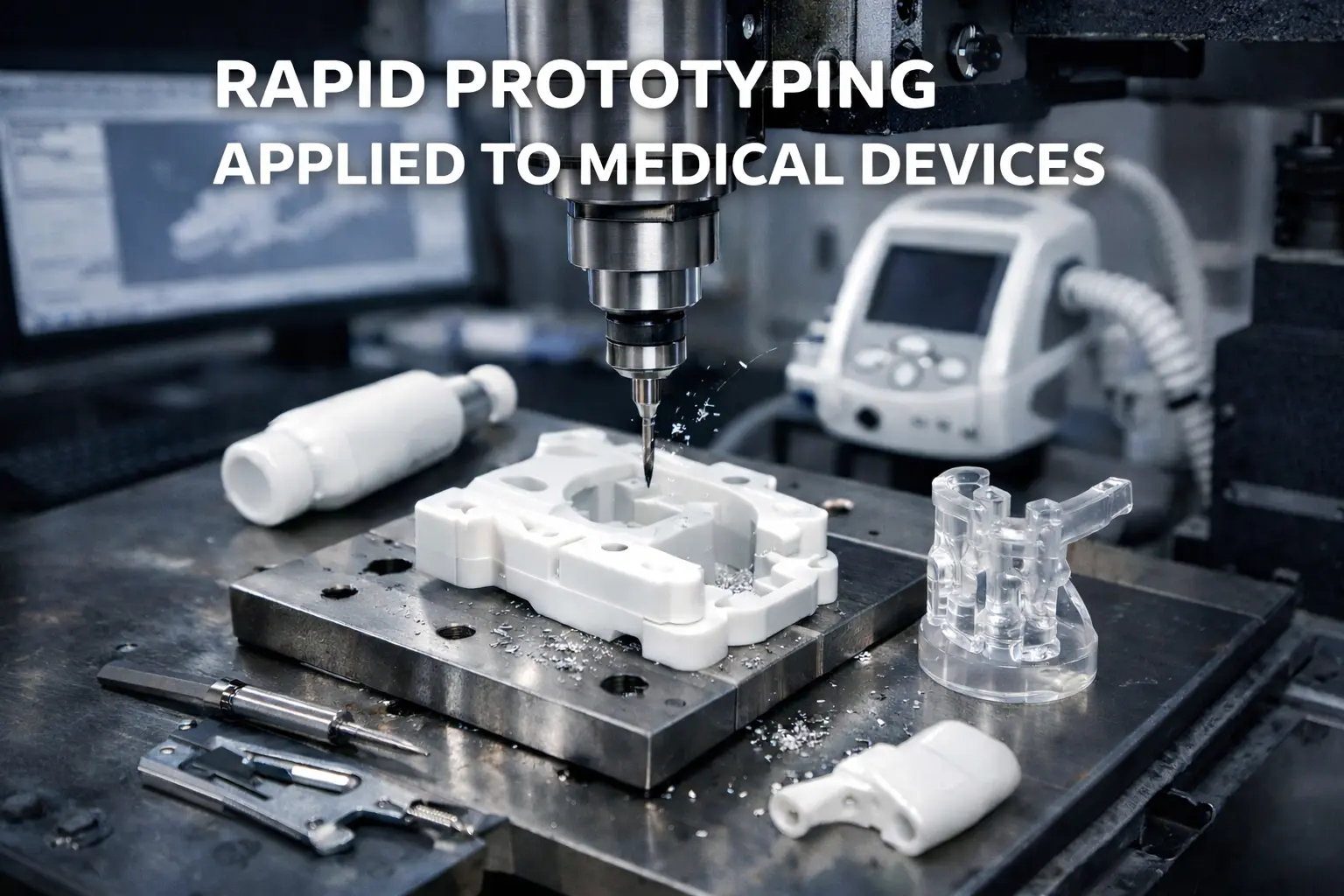
Which materials are suitable for prototyping medical devices?
Choosing the right materials for prototyping medical devices
The choice of materials for prototyping medical devices is crucial due to stringent safety, sterilization, and durability requirements. Materials must be biocompatible, meaning they must not cause toxic or immune reactions upon contact with the body. Furthermore, they must withstand rigorous sterilization processes without degrading. Here are some commonly used materials:
ABS plastic
ABS plastic is widely used in medical device prototyping due to its strength, flexibility, and ease of machining and printing. It is particularly suitable for creating housings or handles for general-purpose medical devices.
Sterilization compatibility: Can be sterilized under certain conditions, making it a viable option for prototypes requiring cleanliness testing.
Limitations: ABS is not suitable for applications exposing the device to high temperatures or aggressive chemicals.
Silicone
Silicone stands out in medical prototyping due to its flexibility, elasticity, and excellent biocompatibility. It is commonly used to manufacture gaskets, seals, and components in direct contact with human tissue.
Manufacturing Techniques: Easily molded or used in vacuum molding, silicone allows for the creation of detailed, patient-specific shapes.
Applications: Ideal for testing the ergonomics of devices and for wearable devices due to its comfort and flexibility.
Medical-Grade Metals (Titanium, Stainless Steel)
Titanium and stainless steel are prized in the medical device industry for their exceptional durability and biocompatibility. These materials are commonly used for structural components, surgical instruments, and implants because of their strength and corrosion resistance.
Manufacturing Technique: CNC machining is commonly used to achieve the precise tolerances required for medical devices.
Cost and Time: Titanium and stainless steel are more expensive and require more processing time than other materials, but their reliability in critical applications justifies this investment.
Bio-Resins
Bio-resins are specialized materials designed for safe contact with biological tissues, making them ideal for prototyping medical devices intended for direct contact with the body.
Manufacturing Techniques: Suitable for stereolithography (SLA) or digital light processing (DLP), enabling highly detailed prototyping.
Post-processing: These resins often require post-curing to achieve their final properties, ensuring they meet the mechanical and biocompatibility requirements of medical applications.
What are the different types of medical device prototypes?
In medical device development, several types of prototypes are created to address different aspects of design and functionality, each playing a specific role in the progression from concept to market-ready product.
Proof of Concept Prototypes
These prototypes are essential in the early stages of product development, as they confirm the feasibility of a concept and identify key technical and design risks before any further investment. They primarily focus on testing the core idea to ensure the proposed solution is viable under real-world conditions.
Visual Presentation Prototypes
Designed to represent the look, feel, and aesthetics of the final product, these prototypes are crucial for gaining stakeholder approval and gathering initial feedback. While not functional, their purpose is to improve the device’s appearance and ergonomics.
Functional Prototypes
Often called “beta” prototypes, these test the operational aspects of a device, including mechanics, electronics, and usability. They provide valuable data on the device’s actual performance, allowing developers to iterate based on user feedback and test results.
Pre-production Prototypes
These prototypes are close to the final design and use the planned materials and production processes. They serve as final test versions before mass production and are essential for validation and compliance with regulatory standards, allowing the design and manufacturing methods to be finalized.
Early Alpha Prototypes
These primarily evaluate the dimensions and basic physical characteristics without incorporating full functionality.
Pilot Prototypes
These prototypes are virtually finished products, used for pilot launches or clinical trials. They replicate the final aesthetics and functions to assess market fit and operational success under real-world conditions.
How to ensure regulatory compliance?
Design and documentation: Develop a detailed design plan that complies with regulatory standards and requirements from the outset of the project.
Assessment and human factors: Incorporate comprehensive risk assessment and human factors engineering procedures to minimize usability issues and enhance safety.
Archiving: Maintain accurate records of all design changes, prototype iterations, and test results to demonstrate compliance and support regulatory submissions.
Materials and process validation: Validate materials and manufacturing processes early to avoid major roadblocks later.
Expert consultation: Work with regulatory specialists to navigate the complex landscape of medical device approvals.
Is rapid prototyping of medical devices expensive?
While rapid prototyping does involve initial costs, it is a strategic investment that can significantly reduce expenses in the long run. Initiating prototyping early in development allows for the identification and correction of design flaws before they lead to costly problems after production.
Modern technologies, such as 3D printing and CNC machining, have simplified the prototyping process, significantly reducing costs and time. Even though functional prototypes require more resources than simple visual or conceptual models, this initial investment is justified by the savings achieved by avoiding costly corrections and regulatory delays.
How long does it take to develop a medical device prototype?
The development time for a medical device prototype varies depending on the project’s complexity and specific requirements. Early, form-focused prototypes can often be produced in one to two weeks.
However, as the device progresses through the development cycle, several iterations may be necessary, each lasting from a few days to several weeks depending on the extent of the required modifications.
Factors such as design adjustments, chosen manufacturing techniques, material availability, and stringent regulatory standards influence the duration of the prototyping phase. Alpha prototypes appear first to evaluate the shape and dimensions, followed by more advanced beta versions that test functionality.
Investing time in comprehensive prototyping not only facilitates regulatory approvals but also improves the overall development process by identifying and resolving issues early on.
How to Choose a Rapid Prototyping Partner for Medical Devices?
Choosing the right rapid prototyping partner for medical device development is essential. Here are some criteria to consider:
Expertise and References: Look for a proven track record with medical device regulations and complexities to ensure the partner can handle your project’s specific needs.
Range of Skills: Make sure the partner offers a variety of prototyping techniques and materials to meet your project’s unique requirements.
Quality Assurance: Select a partner with robust processes that comply with ISO standards and stringent documentation requirements, ensuring that every prototype meets quality standards.
Speed and Scalability: The ability to deliver rapid iterations and scale to pilot or production volumes is critical for meeting project deadlines.
Regulatory Knowledge: Choose a partner familiar with FDA guidelines, CE marking, and other relevant regulations to effectively navigate the complex compliance landscape.
Communication and Collaboration: A good partner should provide transparent project management, clear timelines, and foster an iterative feedback loop to streamline the development process.
WINSUNPROTO’s medical device prototyping services meet the needs of those facing aggressive design-to-market timelines. Our technical team is ready to advise you on the most efficient and cost-effective rapid prototyping methods for your medical application.
Conclusion
Rapid prototyping has truly revolutionized medical device development. It’s not just about creating something new, but about making real improvements in the design, development, and time to market of these devices. Through this process, we directly witness the power of iterative design, which enables continuous feedback and constant improvements. This approach not only minimizes risk but also enhances patient safety.
If you are exploring other product development options, discover our other rapid prototyping services to find the right solution for your project.
When integrated effectively, rapid prototyping does more than just accelerate innovation; it ensures our medical devices meet the strictest regulatory standards even before they reach the market. By following a well-planned development strategy and rigorously adhering to regulatory requirements, we facilitate market access with greater confidence and fluidity.
In other words, with rapid prototyping, we’re not just manufacturing devices; we’re shaping the future of healthcare. And you play a vital role in this process. Every feedback, every test, every prototype iteration contributes to building a safer and more efficient medical technology landscape. So let’s continue to push the boundaries of what’s possible, ensuring that every milestone is a step toward better care for all.
