Our Location
304 North Cardinal St.
Dorchester Center, MA 02124

304 North Cardinal St.
Dorchester Center, MA 02124

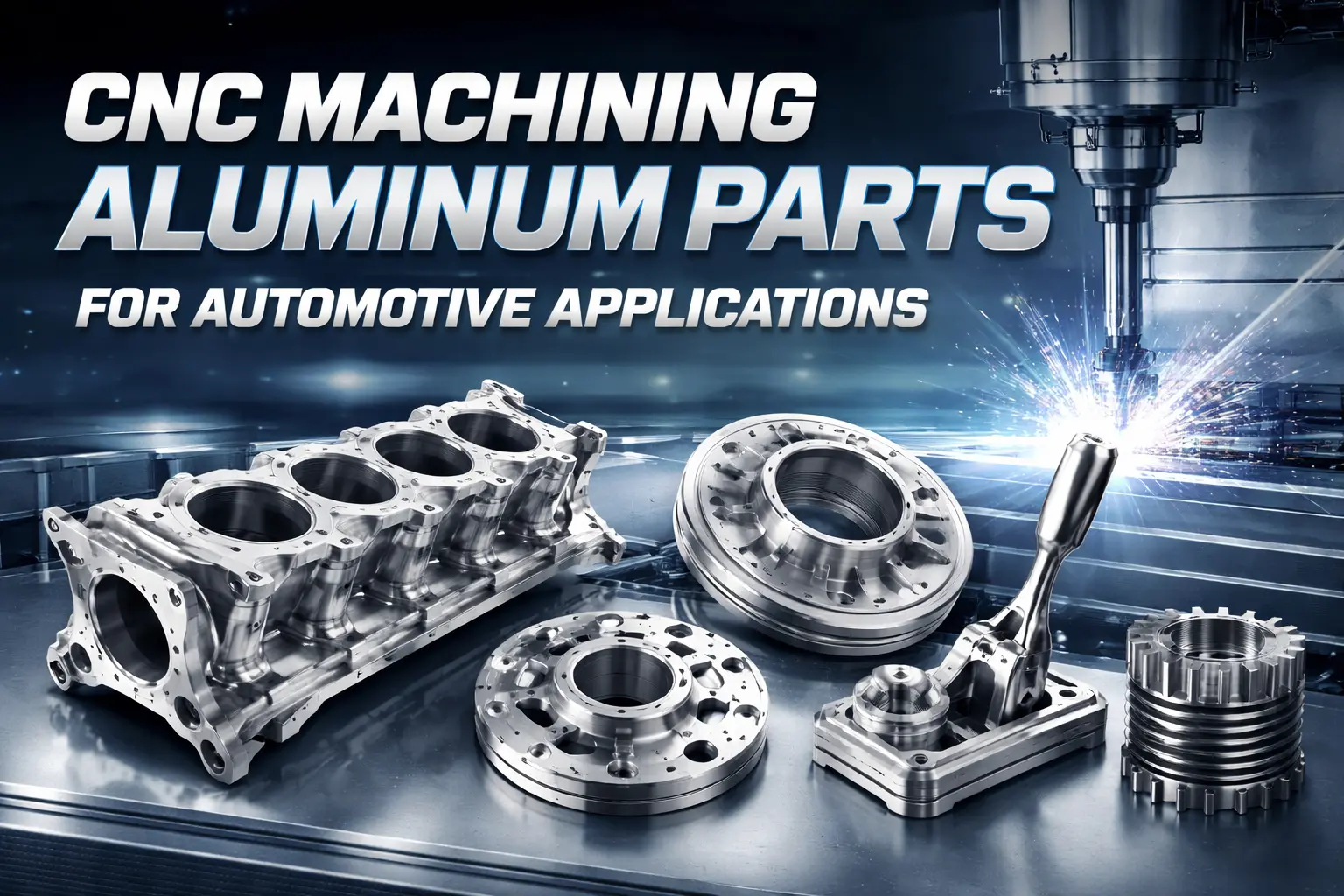
The automotive industry is undergoing a rapid transformation driven by the demand for higher performance, improved fuel efficiency, and reduced environmental impact. One of the most effective ways to achieve these goals is through material optimization, and aluminum has emerged as a key solution. Compared to traditional materials such as steel, aluminum offers a significantly lower density while still maintaining excellent mechanical properties. This makes it an ideal choice for manufacturers aiming to reduce overall vehicle weight without compromising structural integrity or safety. As a result, aluminum is now widely used in both conventional internal combustion vehicles and modern electric vehicles.
At the same time, manufacturing technologies have evolved to meet the increasing complexity and precision requirements of automotive components. CNC machining has become one of the most reliable and efficient methods for producing high-quality aluminum parts. With its ability to achieve tight tolerances, complex geometries, and repeatable accuracy, CNC machining plays a critical role in both prototyping and mass production. It enables manufacturers to produce parts that meet strict industry standards while maintaining consistency across large production volumes.
In addition, CNC machining supports rapid iteration and customization, which is particularly valuable in the automotive sector where design cycles are becoming shorter. Engineers can quickly refine designs, test prototypes, and move to production with minimal delays. This flexibility, combined with the advantages of aluminum as a material, makes CNC machining an essential process in modern automotive manufacturing. As the industry continues to innovate, the combination of aluminum and CNC machining will remain at the forefront of automotive engineering solutions.
One of the primary reasons aluminum is widely used in automotive applications is its lightweight nature. Aluminum is approximately one-third the weight of steel, which allows manufacturers to significantly reduce the overall mass of a vehicle. This reduction directly translates into improved fuel efficiency for internal combustion engine vehicles and extended driving range for electric vehicles. Lower vehicle weight also reduces emissions, making aluminum an environmentally friendly choice that aligns with global sustainability goals. As fuel economy regulations become increasingly stringent, the importance of lightweight materials like aluminum continues to grow.
Despite being lightweight, aluminum offers an excellent strength-to-weight ratio. This means that it can provide sufficient structural strength without adding unnecessary mass. Advanced aluminum alloys, such as 7075 and 2024, are specifically engineered to deliver high strength and durability, making them suitable for critical automotive components. These properties allow aluminum to be used in load-bearing structures, safety components, and performance parts, ensuring both efficiency and reliability in demanding operating conditions.
Aluminum naturally forms a protective oxide layer when exposed to air, which helps prevent corrosion. This inherent corrosion resistance makes it highly suitable for automotive environments where components are exposed to moisture, chemicals, and varying weather conditions. As a result, aluminum parts typically have a longer service life and require less maintenance compared to other materials. This durability is particularly important for components such as chassis parts and exterior panels that are constantly exposed to harsh environments.
Another key advantage of aluminum is its excellent thermal conductivity. This property allows aluminum components to efficiently dissipate heat, which is essential in automotive systems such as engines, battery packs, and braking systems. Effective heat management helps improve performance, enhance safety, and extend the lifespan of critical components. In electric vehicles, where thermal management is crucial for battery efficiency, aluminum plays an even more significant role.
Aluminum is extensively used in engine components due to its lightweight and thermal properties. Common examples include cylinder heads, engine blocks, and pistons. These parts benefit from aluminum’s ability to dissipate heat quickly, which helps maintain optimal operating temperatures and improves engine efficiency. Additionally, the reduced weight of aluminum engine components contributes to better overall vehicle performance and fuel economy.
In modern vehicle design, aluminum is increasingly used for structural and body components such as chassis frames, doors, hoods, and roof panels. These components require a balance between strength and weight, making aluminum an ideal choice. By replacing heavier materials with aluminum, manufacturers can achieve significant weight reduction while maintaining crash safety standards. This is especially important in electric vehicles, where reducing weight directly impacts battery range and efficiency.
Aluminum is also commonly used in transmission and drivetrain components, including gearbox housings and transmission cases. These parts require high precision and dimensional stability, which can be effectively achieved through CNC machining. Aluminum’s machinability allows for the production of complex geometries and tight tolerances, ensuring smooth operation and long-term reliability of drivetrain systems.
Heat management is critical in automotive systems, and aluminum plays a key role in this area. Components such as radiators, heat exchangers, and heat sinks are often made from aluminum due to its excellent thermal conductivity. These parts help regulate temperatures in engines, electronic systems, and battery packs, ensuring optimal performance and preventing overheating.
CNC machining is widely used in the automotive industry because of its ability to achieve high precision and tight tolerances. Automotive components often require extremely accurate dimensions to ensure proper fit and function. CNC machines can consistently produce parts within micrometer-level tolerances, making them ideal for critical applications such as engine components and transmission systems. This level of precision helps improve overall vehicle performance and reliability.
Several CNC machining processes are used to manufacture aluminum automotive parts, including milling, turning, drilling, and tapping. Milling is commonly used for creating complex shapes and surfaces, while turning is ideal for cylindrical components. Drilling and tapping are used to create holes and threads required for assembly. In some cases, advanced techniques such as electrical discharge machining (EDM) are also used for intricate features. The versatility of these processes allows manufacturers to produce a wide range of components with varying levels of complexity.
To achieve optimal results when machining aluminum, it is essential to carefully control machining parameters such as cutting speed, feed rate, and tool selection. Aluminum is relatively soft compared to other metals, which allows for higher cutting speeds, but it can also lead to issues such as built-up edge on cutting tools. Proper tool materials, coatings, and lubrication strategies must be used to ensure smooth machining and high surface quality. Optimizing these parameters not only improves efficiency but also extends tool life and reduces production costs.
Modern automotive production demands high efficiency and scalability, which CNC machining can effectively support. Techniques such as 5-axis machining enable the production of complex parts in a single setup, reducing machining time and improving accuracy. Additionally, the use of custom fixtures and automation systems allows for efficient batch production, ensuring consistency across large volumes. These advanced manufacturing strategies help automotive manufacturers meet tight deadlines while maintaining high-quality standards.
Selecting the right aluminum alloy is a critical step in ensuring the performance, durability, and cost-effectiveness of automotive components. Different aluminum alloys offer varying combinations of strength, machinability, corrosion resistance, and thermal properties, making them suitable for specific applications. Engineers must carefully evaluate the functional requirements of each part, including load conditions, environmental exposure, and manufacturing constraints, before choosing the appropriate material. This decision directly impacts not only the performance of the final component but also the efficiency of the machining process and overall production costs.
Among the most widely used aluminum alloys in CNC machining are 6061, 7075, 5052, and 2024. Aluminum 6061 is known for its excellent balance of strength, corrosion resistance, and machinability, making it a versatile choice for a wide range of automotive parts. Aluminum 7075, on the other hand, offers significantly higher strength and is often used in high-performance or load-bearing applications, although it is more challenging to machine and typically more expensive. Aluminum 5052 provides superior corrosion resistance and is commonly used in sheet metal and fuel system components, while 2024 is valued for its high fatigue resistance, making it suitable for structural and aerospace-inspired automotive parts. Each alloy presents unique advantages that must be aligned with the intended application.
Several key factors influence the selection of aluminum alloys for CNC machining. Mechanical properties such as tensile strength, hardness, and fatigue resistance are essential for ensuring the part can withstand operational stresses. Machinability is another important consideration, as it affects production speed, tool wear, and surface finish quality. Environmental factors, including exposure to moisture, chemicals, or extreme temperatures, also play a role in determining the most suitable alloy. Additionally, cost considerations must be balanced against performance requirements, especially in large-scale automotive production where material expenses can significantly impact the overall budget.
Surface finishing and post-processing are essential steps in enhancing the performance, appearance, and longevity of CNC machined aluminum parts. While CNC machining can produce precise geometries, the as-machined surface may not always meet the functional or aesthetic requirements of automotive applications. Post-processing techniques are used to improve surface quality, increase corrosion resistance, and provide additional protection against wear and environmental factors. These processes also play a key role in achieving the desired visual appeal, which is particularly important for visible components such as trim and wheels.
Anodizing is one of the most commonly used surface treatments for aluminum parts in the automotive industry. This electrochemical process creates a durable oxide layer on the surface of the aluminum, significantly improving its corrosion resistance and wear properties. Anodized surfaces can also be dyed in various colors, providing both functional and aesthetic benefits. In addition to anodizing, other protective coatings such as powder coating and painting are widely used to enhance durability and provide additional environmental protection. These coatings can help prevent damage from UV exposure, chemicals, and mechanical wear.
Mechanical finishing processes such as sandblasting, polishing, and brushing are often used to refine the surface texture of aluminum parts. Sandblasting can create a uniform matte finish and remove machining marks, while polishing can achieve a smooth, reflective surface for decorative applications. Brushing, on the other hand, provides a distinctive linear texture that is commonly used in interior and exterior automotive components. These finishing techniques not only improve appearance but also prepare the surface for subsequent treatments such as coating or anodizing.
Beyond aesthetics, post-processing can also enhance the functional performance of aluminum components. Processes such as surface hardening and chemical treatments can improve wear resistance and extend the lifespan of parts subjected to friction or repeated stress. In some cases, additional treatments may be applied to improve adhesion for coatings or to meet specific industry standards. By carefully selecting appropriate finishing and post-processing methods, manufacturers can ensure that CNC machined aluminum parts meet both performance and durability requirements in demanding automotive environments.
Quality control is a fundamental aspect of CNC machining for automotive aluminum parts, as even minor deviations can lead to performance issues or assembly failures. The automotive industry demands extremely high standards for precision, reliability, and consistency, making thorough inspection processes essential throughout production. From raw material verification to final part inspection, each stage must be carefully monitored to ensure compliance with design specifications and industry requirements. Effective quality control not only reduces the risk of defects but also enhances customer confidence and product reliability.
Accurate dimensional inspection is critical for ensuring that machined parts meet specified tolerances. Advanced measurement tools such as coordinate measuring machines (CMM), laser scanners, and optical inspection systems are commonly used to verify dimensions and geometries. These technologies allow for highly precise measurements and can detect even the smallest deviations from design specifications. Regular inspection during production helps identify potential issues early, allowing for timely adjustments and minimizing waste.
In addition to dimensional accuracy, surface quality is an important factor in automotive components. Inspections are conducted to identify defects such as scratches, burrs, porosity, or tool marks that could affect performance or appearance. Visual inspection, along with advanced techniques such as microscopy and non-destructive testing, can be used to evaluate surface integrity. Ensuring a high-quality surface finish is particularly important for components that are exposed to harsh environments or require tight sealing.
To ensure that aluminum parts can withstand real-world operating conditions, mechanical and performance testing is often conducted. This may include tensile testing, hardness testing, and fatigue testing to evaluate the strength and durability of the material. In some cases, functional testing is performed to simulate actual operating conditions and verify the performance of the component. These tests provide valuable data that helps manufacturers ensure the reliability and safety of automotive parts before they are deployed in vehicles.
CNC machined aluminum parts offer a wide range of advantages that make them highly suitable for automotive applications. As the industry continues to evolve toward lighter, more efficient, and higher-performing vehicles, the combination of aluminum as a material and CNC machining as a manufacturing process provides a powerful solution. These advantages not only improve vehicle performance but also enhance manufacturing efficiency and flexibility.
One of the most significant benefits of CNC machining is its ability to produce parts with exceptional precision and repeatability. Automotive components often require tight tolerances to ensure proper fit and function, and CNC machining can consistently meet these requirements across large production volumes. This level of accuracy helps reduce assembly errors, improve product quality, and ensure reliable performance over time.
CNC machining enables rapid prototyping, allowing manufacturers to quickly develop and test new designs. This is particularly valuable in the automotive industry, where innovation cycles are becoming increasingly fast. Engineers can make design modifications and produce updated prototypes with minimal delay, accelerating the development process. Additionally, CNC machining offers flexibility in production, making it suitable for both small-batch and large-scale manufacturing.
Although aluminum can be more expensive than some traditional materials, its lightweight properties lead to long-term cost savings through improved fuel efficiency and reduced energy consumption. CNC machining further enhances cost efficiency by minimizing material waste and reducing the need for extensive rework. The combination of reduced weight, improved performance, and efficient manufacturing processes makes CNC aluminum parts a cost-effective solution for modern automotive applications.
Aluminum’s natural corrosion resistance, combined with appropriate surface treatments, ensures long-lasting performance in challenging environments. CNC machining allows for precise control over part geometry, which contributes to better structural integrity and reduced stress concentrations. As a result, CNC machined aluminum components offer excellent durability and reliability, meeting the rigorous demands of automotive applications and contributing to overall vehicle safety and performance.
While CNC machining aluminum parts offers numerous benefits for automotive applications, several challenges must be carefully managed to ensure consistent quality and cost-effective production. One of the main challenges is heat management during high-speed machining. Aluminum has high thermal conductivity, which can cause rapid heat buildup at the cutting edge, leading to tool wear, material deformation, or built-up edges on the cutting tool. Selecting the right cutting parameters, tool materials, and cooling strategies is critical to maintaining dimensional accuracy and surface quality.
Another important consideration is tool wear and material work-hardening. Certain high-strength aluminum alloys, such as 7075, are prone to work-hardening during machining, which can increase tool wear and reduce machining efficiency. Manufacturers must optimize tool selection, coatings, and cutting strategies to minimize these issues. Additionally, machining large or complex components can be challenging due to the need for specialized fixtures, multi-axis setups, and precise tolerance control. Achieving repeatable results across multiple parts requires rigorous process planning, advanced machinery, and skilled operators.
Supply chain considerations also play a role in the challenges of aluminum machining. Alloy availability, cost fluctuations, and material certifications must be taken into account to maintain consistent production schedules. Finally, environmental factors such as dust management, chip disposal, and coolant handling must be addressed to ensure safe and sustainable operations. By understanding and addressing these challenges, manufacturers can fully leverage the advantages of CNC aluminum machining while minimizing risks and inefficiencies.
The automotive industry is constantly evolving, and CNC machined aluminum parts are expected to play an increasingly important role in future vehicle designs. One major trend is the growing demand for lightweight components in electric vehicles. Reducing vehicle weight directly improves battery efficiency and driving range, making aluminum an essential material for EV structural parts, battery enclosures, and heat management systems. As EV adoption accelerates, manufacturers will focus on optimizing aluminum part design for both performance and cost efficiency.
Hybrid manufacturing methods combining CNC machining with additive manufacturing are also gaining traction. This approach allows engineers to produce complex geometries that would be difficult or impossible to achieve with traditional methods alone. CNC machining ensures precision and surface quality, while additive manufacturing provides design flexibility and material savings. Additionally, advancements in automation, robotics, and smart machining technologies are transforming production. Automated CNC cells, real-time monitoring, and AI-driven process optimization are improving efficiency, reducing errors, and enabling high-volume production with consistent quality.
Sustainability is another key trend shaping the future of aluminum use in automotive manufacturing. Recycled aluminum and eco-friendly machining processes are becoming increasingly important as the industry seeks to reduce its environmental footprint. Overall, the integration of advanced manufacturing technologies, lightweight materials, and sustainability practices is expected to define the next generation of automotive CNC aluminum parts.
CNC machined aluminum parts are a cornerstone of modern automotive manufacturing, offering a combination of lightweight properties, strength, corrosion resistance, and precision that meets the rigorous demands of the industry. By selecting the right alloys, optimizing machining processes, and implementing effective quality control measures, manufacturers can produce components that enhance vehicle performance, efficiency, and durability. Aluminum’s versatility makes it suitable for engine components, structural parts, drivetrain elements, and heat management systems, while CNC machining ensures tight tolerances and repeatable accuracy.
Despite certain challenges such as heat management, tool wear, and complex part geometries, the benefits of CNC aluminum machining far outweigh the drawbacks. Advances in manufacturing technologies, hybrid processes, and automation are continuously expanding the capabilities and efficiency of this production method. As the automotive industry moves toward lighter, more sustainable, and high-performance vehicles, CNC machined aluminum components will continue to play a critical role in meeting these evolving demands.
Q1: What is the difference between CNC machined aluminum parts and cast aluminum parts?
CNC machined aluminum parts are produced by precisely removing material from a solid billet using controlled cutting tools, resulting in high accuracy and tight tolerances. Cast aluminum parts are formed by pouring molten aluminum into molds, which can achieve complex shapes but may have lower dimensional precision and surface finish quality. Machined parts are typically preferred for critical components where performance and fit are essential.
Q2: How does aluminum alloy selection affect machining?
Different aluminum alloys vary in strength, machinability, corrosion resistance, and heat response. For example, 6061 is easier to machine and offers a balance of strength and corrosion resistance, while 7075 is stronger but more prone to work-hardening. Selecting the correct alloy ensures efficient machining, high-quality surface finish, and long-lasting component performance.
Q3: Can CNC aluminum parts be used for high-performance automotive applications?
Yes. CNC machined aluminum parts can achieve tight tolerances and excellent surface finishes, making them suitable for high-performance components such as engine blocks, structural supports, and drivetrain parts. High-strength alloys like 7075 and 2024 are commonly used in performance-critical applications.
Q4: What post-processing options are available for CNC aluminum parts?
Common post-processing methods include anodizing for corrosion resistance, powder coating or painting for aesthetic and protective purposes, and mechanical finishing like polishing, brushing, or sandblasting to improve surface texture. Functional enhancements such as surface hardening or chemical treatments can also be applied to increase durability.
Q5: How does CNC machining contribute to automotive sustainability?
CNC machining minimizes material waste, allows the use of recycled aluminum, and produces lightweight components that improve fuel efficiency and EV range. When combined with energy-efficient equipment and eco-friendly processes, CNC aluminum machining supports the automotive industry’s sustainability goals.
