Our Location
304 North Cardinal St.
Dorchester Center, MA 02124

304 North Cardinal St.
Dorchester Center, MA 02124

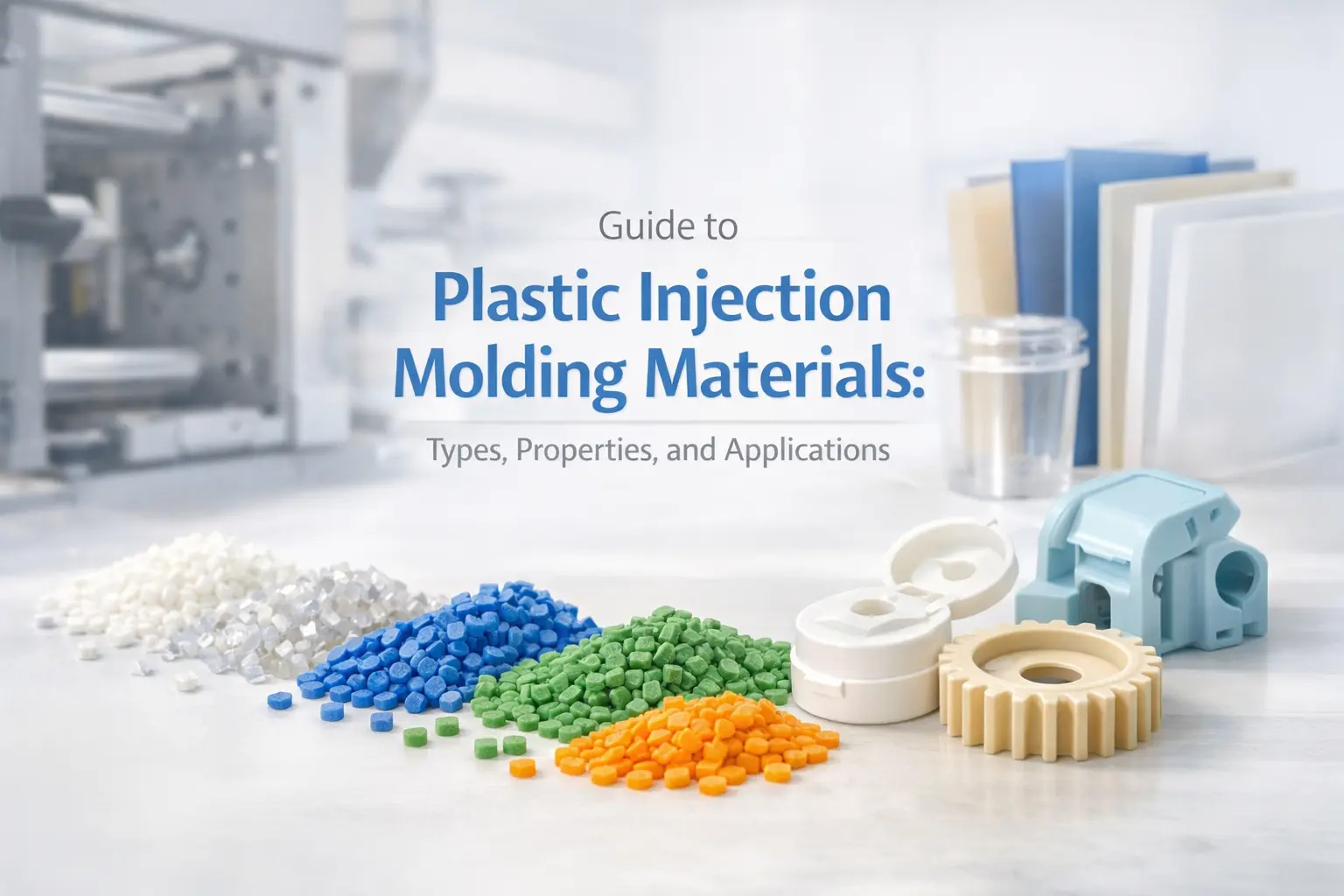
Plastic injection molding is a manufacturing process where molten plastic is injected into a mold cavity to produce precise, repeatable, and complex parts. It is one of the most widely adopted manufacturing methods due to its speed, scalability, and versatility. Unlike manual processes or traditional machining, injection molding can produce thousands of parts with identical dimensions and excellent surface finish, making it ideal for industries ranging from consumer electronics to automotive, medical devices, and packaging.
The process begins by heating plastic pellets until they melt, then injecting the molten material into a mold under high pressure. Once cooled and solidified, the mold opens, and the finished part is ejected. Advanced molds can include intricate features such as undercuts, threads, or texturing, all achievable in a single operation. While the process seems straightforward, material selection plays a critical role in determining part performance, manufacturability, and cost-efficiency. Choosing the wrong material can result in warping, shrinkage, brittleness, or even part failure during use.
Material selection is more than a choice of plastic type—it influences every stage of the injection molding process, from mold design to processing parameters and end-use performance. For instance, ABS (acrylonitrile butadiene styrene) is often chosen for products that require durability and a high-quality surface finish, such as electronic housings or toys. You can learn more about ABS injection molding, including material properties and design considerations, here: ABS Injection Molding Explained: Material Properties, Process, and Design Considerations.
Other factors such as thermal resistance, chemical exposure, UV stability, and aesthetic requirements also affect material choice. Understanding these factors ensures fewer defects, reduced production costs, and parts that meet functional and regulatory standards. This guide will provide a comprehensive overview of plastic materials, their properties, and how to choose the right one for your injection molding project.
Plastic materials used in injection molding can be categorized into thermoplastics and thermosets. Thermoplastics are polymers that soften when heated and harden upon cooling, allowing them to be remelted and reused. Examples include polyethylene (PE), polypropylene (PP), ABS, polycarbonate (PC), and nylon (PA). Their ability to be reshaped multiple times makes thermoplastics versatile and suitable for prototyping as well as mass production. For example, polycarbonate is widely used in applications requiring impact resistance and transparency; you can read more here: Everything You Need to Know About Polycarbonate Injection Molding.
Thermosets, in contrast, undergo a chemical reaction during molding that permanently sets their shape. Once cured, thermosets cannot be remelted, making them ideal for high-heat or high-stress applications. Typical thermosets include epoxy, phenolic, and melamine resins, commonly used in electrical components, automotive parts, and industrial machinery.
When choosing a plastic for injection molding, understanding its physical and chemical properties is critical:
By understanding these properties, engineers and designers can match the material to the part’s intended function, reducing failures and improving manufacturing efficiency.
ABS is a widely used thermoplastic known for its combination of impact resistance, toughness, and aesthetic appeal. It is commonly applied in electronic housings, automotive components, and consumer goods. ABS parts are easily colored, provide a smooth or glossy surface finish, and maintain dimensional stability under normal conditions. Detailed guidance on ABS injection molding, including material properties and design considerations, can be found here: ABS Injection Molding Explained: Material Properties, Process, and Design Considerations.
Polycarbonate is a high-performance thermoplastic that offers excellent impact resistance, transparency, and thermal stability. It is frequently used in safety equipment, lenses, medical devices, and automotive parts where durability and clarity are essential. PC is more expensive than ABS but provides superior mechanical and thermal performance. For a deep dive into polycarbonate injection molding, refer to: Everything You Need to Know About Polycarbonate Injection Molding.
Other frequently used plastics include polyethylene (PE) for lightweight packaging, polypropylene (PP) for flexible consumer goods, nylon (PA) for wear-resistant mechanical components, and polystyrene (PS) for rigid, low-cost applications. Each material offers unique advantages depending on the required mechanical strength, flexibility, chemical resistance, and thermal properties.
Understanding these materials, their capabilities, and limitations is the foundation for successful plastic injection molding. Material selection affects not only the functional performance of the part but also the efficiency and reliability of the manufacturing process.
When selecting a plastic for injection molding, understanding the mechanical requirements of the final part is essential. Tensile strength, impact resistance, hardness, and flexibility directly influence how the part will perform under real-world conditions. For example, ABS is often chosen for electronic housings due to its balanced strength and toughness, while polycarbonate is selected for transparent safety components because of its high impact resistance. Other thermoplastics, such as nylon (PA), are ideal for mechanical components requiring wear resistance and low friction.
Designers must also consider how the part will be used over time. Components exposed to repetitive stress, bending, or impact require materials with high fatigue resistance. Failure to account for these factors may result in premature part failure, recalls, or increased warranty costs. Careful material evaluation during the early stages of design can reduce defects, minimize production costs, and improve product longevity.
Thermal behavior is a critical factor in material selection. Plastics are exposed to varying temperatures during both processing and use. Key thermal properties to consider include melting point, glass transition temperature, heat deflection temperature, and thermal conductivity. A material like polycarbonate, for instance, maintains structural integrity at higher temperatures compared to ABS, making it suitable for automotive or industrial applications where heat resistance is required.
Failure to consider thermal properties can lead to warping, dimensional instability, or degradation of mechanical properties. Additionally, materials with high thermal stability often allow faster molding cycles, increasing production efficiency. Matching the material’s thermal performance to the application ensures both manufacturability and long-term reliability.
Chemical exposure, UV light, and moisture can significantly impact the performance of plastic parts. Materials such as polypropylene (PP) offer excellent chemical resistance, making them suitable for containers or components exposed to solvents and acids. Other plastics, like ABS, may require additives or coatings to improve resistance against environmental factors.
Environmental sustainability is also increasingly important. Selecting recyclable or bio-based materials can reduce environmental impact and align with regulatory and customer expectations. Designers should weigh performance, cost, and environmental considerations when choosing the optimal injection molding material.
Advantages: ABS provides high impact resistance, toughness, ease of coloring, and a smooth surface finish. It is cost-effective and widely available, making it suitable for consumer products, electronic housings, and automotive components.
Limitations: ABS has moderate heat resistance, making it less suitable for applications with high thermal exposure. It can be susceptible to chemical attack from strong acids or solvents. For in-depth guidance, see: ABS Injection Molding Explained: Material Properties, Process, and Design Considerations.
Advantages: PC is highly transparent, impact-resistant, and thermally stable. It can withstand high stress and maintain clarity, making it ideal for safety equipment, lenses, and medical devices.
Limitations: Polycarbonate is more expensive than ABS, can scratch more easily, and may require specialized processing conditions. Learn more here: Everything You Need to Know About Polycarbonate Injection Molding.
Using a comparative table can help engineers quickly match material properties to application needs, balancing performance, cost, and manufacturability.
Before committing to full-scale production, performing material tests and prototyping is crucial. Small-scale trials allow engineers to observe shrinkage, warping, surface finish, and dimensional stability. Adjusting molding parameters and material choice during the prototyping stage can prevent costly defects during mass production.
Each plastic behaves differently under heat, pressure, and flow conditions. Materials with high viscosity, like PC, may require specific mold designs or injection pressures to ensure complete filling. Conversely, low-viscosity plastics like PE may require careful cooling and venting to prevent sink marks and voids. Understanding the interaction between material properties and mold design improves efficiency and reduces scrap rates.
Modern injection molding requires balancing performance, cost, and sustainability. Choosing recyclable materials or engineering plastics with longer service life can reduce environmental impact. Additionally, optimizing material selection for both functionality and manufacturability lowers overall production cost and cycle time.
Material suppliers often provide detailed technical datasheets, recommendations for processing conditions, and troubleshooting tips. Engaging suppliers early in the design process can ensure the selected plastic meets both performance and production requirements.
Plastic injection molding plays a critical role in the automotive industry, offering lightweight, durable, and cost-effective components. Thermoplastics such as ABS, polycarbonate (PC), polypropylene (PP), and nylon (PA) are commonly used for dashboards, interior panels, housings, bumpers, and under-the-hood components. The combination of mechanical strength, thermal resistance, and chemical stability makes these plastics ideal for both aesthetic and functional applications. For example, ABS is often selected for electronic housings within vehicles because of its toughness and surface finish quality. You can read more about ABS injection molding, including its material properties and design considerations, here: ABS Injection Molding Explained: Material Properties, Process, and Design Considerations.
High-performance plastics like PC or PC/ABS blends are used in applications requiring high impact resistance, transparency, or fire retardancy. These materials allow engineers to reduce vehicle weight without sacrificing safety, contributing to improved fuel efficiency and emission reduction. Injection molding also enables complex geometries that would be difficult or impossible to achieve with metal, providing greater design freedom for innovative automotive components.
In electronics, plastics are valued for their electrical insulation, dimensional stability, and ability to achieve complex shapes. Components such as housings for computers, smartphones, routers, and household appliances are commonly produced using ABS or polycarbonate. Polycarbonate’s transparency and toughness make it particularly suitable for protective covers, lenses, and display panels. You can learn more about polycarbonate injection molding here: Everything You Need to Know About Polycarbonate Injection Molding.
Consumer products, from toys and kitchenware to personal care items, also heavily rely on injection-molded plastics. The process allows high-volume production at low cost while maintaining consistent quality. Materials can be colored, textured, or finished to enhance aesthetic appeal, enabling brands to produce visually attractive and functional products.
Medical devices, laboratory equipment, and pharmaceutical packaging benefit from injection molding due to precision, sterility, and material performance. Plastics like polypropylene (PP), polycarbonate (PC), and certain medical-grade ABS are widely used for syringes, containers, diagnostic equipment, and protective housings. The materials must meet strict regulatory standards for biocompatibility and chemical resistance.
In industrial applications, nylon (PA), PEEK, and other engineering plastics provide wear resistance, high temperature tolerance, and chemical stability. Components such as gears, conveyor parts, and housings for industrial machinery leverage the strength and durability of these materials, ensuring reliable long-term operation in demanding environments.
Selecting the right plastic involves considering the part’s mechanical requirements, thermal and chemical exposure, aesthetics, and cost constraints. Engineers typically evaluate properties such as tensile strength, impact resistance, heat deflection temperature, and chemical resistance. Thermoplastics like ABS, PC, PP, and PA are commonly assessed for their suitability based on these criteria. Prototyping with the chosen material before mass production is recommended to validate performance and manufacturability. Detailed guidance on ABS can be found here: ABS Injection Molding Explained: Material Properties, Process, and Design Considerations.
Frequent errors include underestimating thermal or chemical exposure, ignoring shrinkage and warpage during cooling, and selecting materials purely based on cost without considering long-term performance. Choosing a material without accounting for manufacturing constraints or end-use conditions can lead to defects, recalls, and increased production costs. Consulting material datasheets and working closely with suppliers helps avoid these pitfalls.
Some plastics are versatile, but performance requirements often differ across applications. For example, ABS is excellent for housings and consumer goods but may not withstand high heat or certain chemicals. Polycarbonate is stronger and more heat-resistant, making it suitable for safety or industrial applications. Using the right material for the specific function ensures durability, safety, and customer satisfaction. More on polycarbonate applications: Everything You Need to Know About Polycarbonate Injection Molding.
Selecting the proper material is a fundamental step in the success of any plastic injection molding project. From consumer electronics to automotive, medical, and industrial applications, understanding the properties and limitations of each plastic type ensures that parts meet functional, aesthetic, and durability requirements. Thermoplastics such as ABS, polycarbonate, polypropylene, and nylon offer versatility, cost efficiency, and ease of processing, while thermosets provide thermal stability and chemical resistance for specialized applications.
Following best practices—prototyping, testing material behavior, optimizing mold design, and considering environmental sustainability—reduces defects, enhances product performance, and lowers manufacturing costs. Leveraging technical resources and collaborating with material suppliers can further streamline material selection and process optimization. Whether producing high-volume consumer products or high-performance industrial components, informed material choice is key to achieving quality, reliability, and efficiency in injection molding.
