Our Location
304 North Cardinal St.
Dorchester Center, MA 02124

304 North Cardinal St.
Dorchester Center, MA 02124

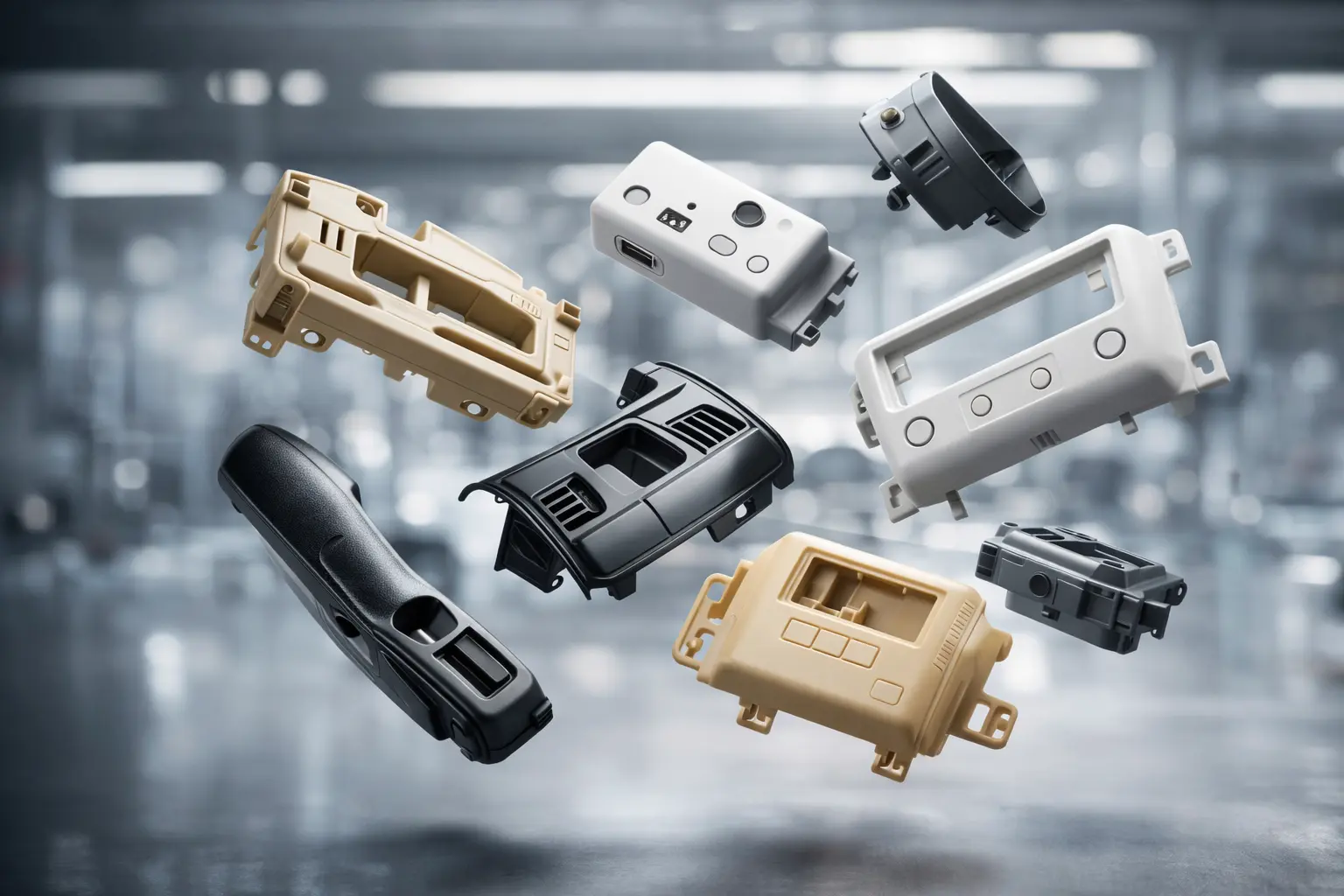
Vacuum casting is a widely used manufacturing method for producing high-quality plastic prototypes and small batches of functional parts. By casting liquid resin into silicone molds under a vacuum environment, this process minimizes air bubbles and ensures excellent surface finish, fine details, and consistent part quality. Because of its relatively low tooling cost and fast turnaround time, vacuum casting has become an ideal solution for rapid prototyping and low-volume production.
Manufacturers often use vacuum casting when they need parts that closely resemble injection-molded components but without the high cost and long lead times of metal tooling. With a wide range of polyurethane resins available, the process can replicate the properties of common plastics such as ABS, PP, or rubber-like materials. This flexibility makes vacuum casting suitable for industries including automotive, electronics, consumer products, and medical devices.
In this article, we will explore how vacuum casting works, the materials commonly used, its key advantages, and the design considerations that help ensure successful results. Whether you are developing a prototype or preparing for small-batch production, understanding vacuum casting can help you choose the right manufacturing method for your project.
Vacuum casting is a manufacturing process used to produce high-quality plastic parts by pouring liquid resin into a silicone mold under vacuum conditions. The vacuum environment removes air bubbles from the material and the mold cavity, allowing the resin to fully fill the mold and capture fine details. This results in parts with smooth surfaces, precise geometry, and consistent quality.
The process is commonly used for rapid prototyping and low-volume production, especially when manufacturers need plastic parts that closely resemble injection-molded components. Because silicone molds are relatively inexpensive and quick to produce, vacuum casting offers a cost-effective solution for producing small batches of parts without investing in expensive metal tooling.
Vacuum casting is often used alongside other rapid manufacturing technologies. A master model, typically created using CNC machining or 3D printing, is used to produce the silicone mold. Once the mold is ready, multiple identical parts can be cast using polyurethane resins.
Compared with other methods, vacuum casting provides a balance between speed, cost, and part quality. It is faster and more economical than injection molding for small quantities, while producing better surface finish and material properties than many 3D printed parts. For this reason, it is widely used for product development, design validation, and small production runs.
The first step in vacuum casting is producing a master model that represents the final part design. This master pattern is often made using high-precision 3D printing or CNC machining. The surface quality of the master model is important because it directly affects the finish of the final cast parts.
Once the master model is prepared, it is placed inside a casting box where liquid silicone rubber is poured around it. The silicone is then cured to form a flexible mold. After curing, the mold is carefully cut open to remove the master model, leaving a cavity that replicates the exact shape and details of the original part.
Liquid polyurethane resin is mixed and poured into the silicone mold inside a vacuum chamber. The vacuum removes trapped air and ensures that the resin flows smoothly into all areas of the mold. This step is essential for producing parts with high accuracy and minimal defects.
After the mold is filled, it is placed in an oven or controlled environment to cure the resin. Once the material has hardened, the finished part is removed from the mold. Because silicone molds are flexible, the demolding process is relatively simple and allows complex geometries to be produced.
Depending on the application, parts may undergo additional finishing processes such as trimming, sanding, painting, or surface coating. These steps help improve the appearance, durability, and functionality of the final components.
Polyurethane resins are the most commonly used materials in vacuum casting. These resins can simulate the mechanical properties of many production plastics, including rigid, flexible, transparent, or rubber-like materials. Their versatility makes them suitable for a wide range of prototyping applications.
Some vacuum casting materials are designed to replicate the characteristics of widely used plastics such as ABS, polypropylene (PP), polycarbonate (PC), and nylon. These materials allow engineers to test part performance, fit, and function before committing to mass production methods like injection molding.
In addition to rigid plastics, vacuum casting can produce transparent or elastomeric parts. Clear resins are often used for optical components, display covers, or fluid flow visualization models, while flexible materials are suitable for seals, gaskets, and soft-touch components.
Choosing the right vacuum casting material depends on the intended application of the part. Factors such as strength, flexibility, temperature resistance, and surface appearance should be considered during the design stage. Selecting the appropriate resin ensures that the prototype accurately represents the performance of the final production part.
Vacuum casting is an economical option for producing small batches of plastic parts. Unlike injection molding, which requires expensive metal tooling, vacuum casting uses silicone molds that are faster and less costly to produce. This makes it ideal for prototyping, product testing, and low-volume manufacturing.
One of the key advantages of vacuum casting is its ability to replicate fine details and smooth surfaces from the master model. Because the process is performed under vacuum, trapped air bubbles are minimized, resulting in high-quality parts with minimal defects.
Vacuum casting supports a variety of polyurethane resins that can simulate the properties of common engineering plastics. These materials can mimic the strength, flexibility, transparency, or heat resistance of plastics such as ABS, PP, and polycarbonate, allowing engineers to evaluate product performance before mass production.
Compared with traditional manufacturing methods, vacuum casting offers a relatively quick production cycle. Once the master model and silicone mold are prepared, multiple parts can be produced within a short period. This makes the process highly suitable for rapid prototyping and early-stage product development.
The flexibility of silicone molds allows vacuum casting to produce complex shapes and intricate geometries that may be difficult to achieve with rigid molds. This design freedom makes the process useful for creating functional prototypes and detailed product models.
Uniform wall thickness is recommended for vacuum cast parts to ensure consistent curing and structural stability. Very thin walls may lead to deformation, while excessively thick sections can cause uneven curing or internal stresses.
Silicone molds used in vacuum casting typically have a limited lifespan. A single mold can usually produce around 15 to 25 parts, depending on the geometry and material used. Designers should consider expected production quantities when choosing this manufacturing method.
Although silicone molds are flexible, incorporating small draft angles in the design can make demolding easier and reduce the risk of damaging the mold or the part. This is especially important for complex geometries or parts with deep cavities.
The surface finish of the master model directly affects the final cast parts. If a polished or textured finish is required, it should be applied to the master pattern before the mold is created. Additional post-processing such as painting or coating may also be used to achieve the desired appearance.
Vacuum casting can achieve good dimensional accuracy, but tolerances are generally not as tight as those achieved with CNC machining or injection molding. Designers should account for this when specifying critical dimensions.
Vacuum casting is widely used in the automotive industry to produce prototype components such as interior panels, housings, and functional testing parts. These prototypes help engineers evaluate design, fit, and functionality before committing to mass production.
Manufacturers often use vacuum casting to create prototypes and small batches of consumer products. Items such as electronic device housings, appliance components, and wearable device enclosures can be quickly produced for testing and market evaluation.
The process is commonly used for producing plastic enclosures for electronic devices. Vacuum casting allows engineers to verify assembly, appearance, and structural integrity before finalizing injection molding tooling.
Companies often produce small batches of vacuum cast parts for functional testing, pilot production, or early market trials. This allows businesses to gather feedback and refine designs before scaling up to full production.
Both vacuum casting and 3D printing are widely used for rapid prototyping, but they serve different purposes. 3D printing is ideal for quickly producing single prototypes or complex geometries without molds. However, the surface finish and material properties of some 3D printed parts may not match those of production plastics.
Vacuum casting, on the other hand, is better suited for producing multiple identical parts with improved surface quality and material characteristics closer to injection-molded plastics. This makes it a strong choice for functional prototypes and small batch production.
CNC machining is known for its high precision and tight tolerances, especially for metal or solid plastic components. It is ideal for parts that require excellent dimensional accuracy or strong mechanical properties.
Vacuum casting offers advantages when producing complex plastic parts in small quantities. Once the silicone mold is created, multiple copies can be produced more efficiently than machining each part individually. This can reduce both manufacturing time and cost for small production runs.
Injection molding is the most efficient method for high-volume plastic manufacturing. It produces highly consistent parts with excellent repeatability, but the initial tooling cost and lead time for metal molds can be significant.
Vacuum casting fills the gap between prototyping and mass production. It allows manufacturers to produce small batches of parts quickly and affordably without investing in expensive tooling, making it ideal for early product development and pilot production.
At WinsunProto, we provide professional vacuum casting services to support rapid prototyping and low-volume production needs. Our team works closely with clients to deliver high-quality plastic parts with excellent surface finish and reliable performance.
We offer a variety of polyurethane materials that can simulate the properties of common engineering plastics, enabling accurate testing of form, fit, and function. In addition to vacuum casting, our capabilities also include CNC machining, 3D printing, and a range of surface finishing options, allowing us to support projects from prototype development to small batch manufacturing.
By combining advanced equipment, experienced engineers, and efficient production workflows, WinsunProto can deliver fast turnaround times and consistent part quality. Whether you need a single prototype or dozens of functional parts, our team is ready to help bring your design to life.
A typical silicone mold used in vacuum casting can produce approximately 15 to 25 parts. The exact number depends on factors such as the complexity of the part, the material used, and the casting conditions.
Lead times vary depending on part complexity and quantity. In many cases, the master model and silicone mold can be prepared within a few days, allowing parts to be produced in a relatively short timeframe compared with traditional manufacturing methods.
Yes. Vacuum cast parts can undergo various finishing processes, including sanding, painting, polishing, and coating. These finishing options help improve the appearance and functionality of the final components.
Vacuum casting is ideal for functional prototypes, product demonstration models, and small batch production of plastic components. It is commonly used for enclosures, housings, consumer product parts, and automotive components.
Vacuum casting is a versatile manufacturing method that bridges the gap between rapid prototyping and mass production. By using silicone molds and liquid resins under vacuum conditions, the process can produce high-quality plastic parts with excellent detail, smooth surfaces, and reliable performance.
Because of its relatively low tooling cost, flexible material options, and quick turnaround time, vacuum casting is particularly well suited for product development, functional testing, and low-volume production. It allows designers and engineers to evaluate prototypes that closely resemble final injection-molded parts before committing to large-scale manufacturing.
For companies looking to accelerate product development while controlling costs, vacuum casting offers an efficient and practical solution. Working with an experienced manufacturing partner can further ensure that prototypes and small batch parts meet the required quality and performance standards.
