Our Location
304 North Cardinal St.
Dorchester Center, MA 02124

304 North Cardinal St.
Dorchester Center, MA 02124

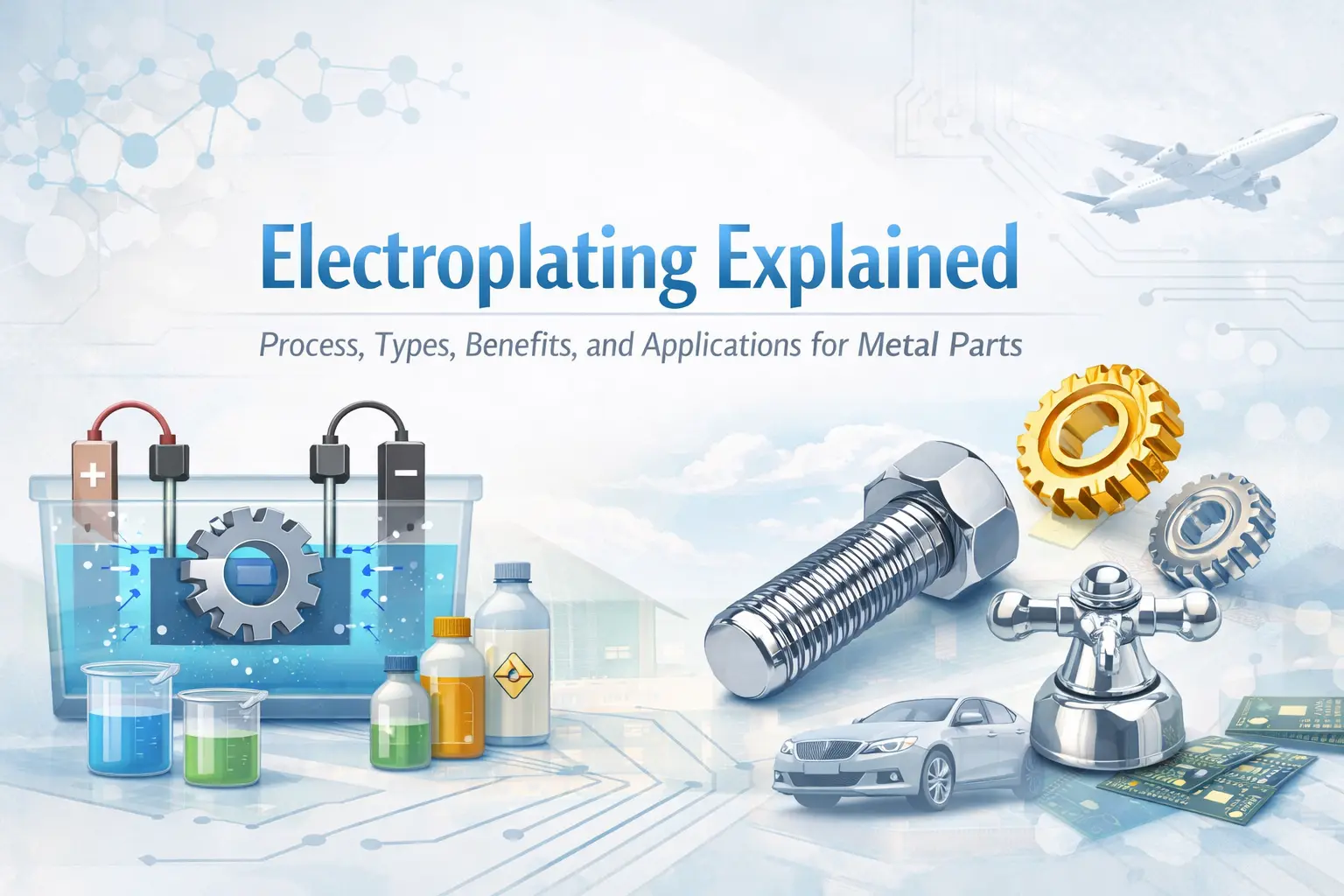
Electroplating is one of the most widely used surface finishing techniques in modern manufacturing. It involves depositing a thin layer of metal onto the surface of another material through an electrochemical process. This coating can improve the appearance of a part, increase its durability, and enhance its functional performance. Electroplating is commonly applied to metals such as steel, aluminum, brass, and copper, and it is widely used in industries that require both precision and reliability.
Electroplating is a process in which a thin metal coating is applied to a conductive surface using electrical current. During this process, the part to be plated is placed in a solution containing dissolved metal ions. When an electrical current passes through the solution, these metal ions attach to the surface of the component, forming a uniform metal layer.
Various metals can be used for electroplating, including nickel, chromium, zinc, copper, gold, and silver. Each type of plating offers different advantages, such as improved corrosion resistance, better electrical conductivity, increased hardness, or enhanced decorative appearance.
The electroplating process relies on an electrochemical reaction between two electrodes immersed in a plating solution. The component being plated acts as the cathode, while the plating metal acts as the anode. When electrical current flows through the solution, metal ions move from the anode toward the cathode and gradually deposit onto the surface of the part.
Before plating begins, the part must undergo thorough surface preparation. This usually includes cleaning, degreasing, and sometimes acid treatment to remove contaminants and ensure proper adhesion. Once the plating layer reaches the desired thickness, the component may go through additional rinsing and finishing steps to improve surface quality.
Electroplating plays a critical role in modern manufacturing because it significantly improves the performance and lifespan of metal parts. A properly plated surface can protect components from corrosion, reduce friction and wear, and enhance their mechanical properties.
In addition to functional improvements, electroplating also enhances the visual appearance of products. Many consumer goods and decorative components rely on electroplated finishes to achieve a bright, polished look. Because of its ability to combine protection, performance, and aesthetics, electroplating remains an essential finishing process across industries such as automotive, aerospace, electronics, and industrial equipment manufacturing.
Different electroplating methods are used depending on the base material, functional requirements, and desired surface appearance. Each type of plating provides specific advantages such as corrosion resistance, improved hardness, or enhanced electrical conductivity.
Nickel plating is one of the most widely used electroplating methods in manufacturing. It provides excellent corrosion resistance and wear resistance, making it suitable for mechanical components, tools, and industrial equipment. Nickel plating also produces a smooth and uniform finish, which is often used as a base layer for additional coatings such as chrome.
Chrome plating is valued for its bright, reflective appearance and high hardness. It is commonly applied to automotive parts, machine components, and decorative hardware. Chrome plating not only improves the visual appeal of a part but also increases surface durability and resistance to wear.
Zinc plating is primarily used to protect steel parts from corrosion. The zinc layer acts as a sacrificial coating that prevents rust from forming on the base material. Because of its cost-effectiveness and strong corrosion protection, zinc plating is widely used for fasteners, brackets, and other industrial hardware.
Gold plating offers excellent electrical conductivity and corrosion resistance. It is commonly used in electronics, particularly for connectors, circuit boards, and precision electrical components. Although gold plating is more expensive than other plating methods, its performance advantages make it essential for high-reliability applications.
Silver plating provides outstanding electrical and thermal conductivity. It is often used in electrical contacts, switches, and high-frequency electronic components. Silver plating can also improve solderability, making it valuable in many electronic manufacturing processes.
Copper plating is frequently used as an intermediate layer in multi-layer plating systems. It offers excellent electrical conductivity and helps improve adhesion between the base material and the final plating layer. Copper plating is also used in electronics, printed circuit boards, and decorative finishes.
The electroplating process involves several key steps to ensure that the coating adheres properly and achieves the desired thickness and quality.
Surface preparation is one of the most important stages in electroplating. The part must be thoroughly cleaned to remove oil, grease, dust, and oxidation. This typically involves degreasing, chemical cleaning, and sometimes acid treatment. Proper surface preparation ensures that the plating layer bonds securely to the base material.
Once the surface is prepared, the component is placed in an electroplating bath containing a solution of dissolved metal ions. The part acts as the cathode, while the plating metal serves as the anode. When electrical current passes through the solution, metal ions move toward the part and deposit onto its surface, gradually forming a thin and uniform coating.
The thickness of the plated layer can be controlled by adjusting the plating time, current density, and chemical composition of the bath.
After electroplating is completed, the part usually undergoes several post-treatment steps. These may include rinsing, drying, polishing, or passivation. Post-treatment helps improve the final appearance, corrosion resistance, and durability of the plated surface.
Proper finishing ensures that the electroplated coating meets both functional and aesthetic requirements for the intended application.
Electroplating provides a range of functional and aesthetic advantages, which is why it is widely used in modern manufacturing. By applying a thin metal layer to the surface of a component, manufacturers can significantly improve the performance and lifespan of metal parts.
One of the primary benefits of electroplating is enhanced corrosion resistance. Coatings such as zinc, nickel, and chrome help protect the base material from moisture, chemicals, and environmental exposure. This protection is especially important for components used in outdoor environments or harsh industrial conditions.
Electroplated coatings can increase the hardness of a component’s surface. This added hardness reduces wear and friction during operation, helping parts maintain their dimensional accuracy and performance over time. Hard coatings such as chrome plating are commonly used for machinery components and mechanical parts that experience constant contact or movement.
Certain electroplated metals, such as gold, silver, and copper, provide excellent electrical conductivity. These coatings are widely used in electronic components, connectors, and circuit boards to ensure reliable electrical performance and minimize signal loss.
In addition to functional improvements, electroplating can greatly enhance the visual appearance of a part. Bright finishes such as chrome, nickel, and gold create a smooth and polished surface that improves product aesthetics. For this reason, electroplating is often used in consumer products, automotive trim, and decorative hardware.
Electroplating can be applied to a variety of materials, although the process works best on conductive surfaces. Different base materials require specific preparation and plating techniques to achieve optimal results.
Steel is one of the most common materials used in electroplating. Coatings such as zinc, nickel, and chrome are often applied to steel parts to improve corrosion resistance and durability. Stainless steel components may also be plated to enhance surface hardness or achieve a decorative finish.
Aluminum can also be electroplated, although it requires special surface preparation due to the natural oxide layer on its surface. Once properly treated, aluminum parts can be plated with metals such as nickel or copper to improve corrosion resistance, wear resistance, and appearance.
Brass and copper are highly conductive materials that are well suited for electroplating. These materials are commonly plated with nickel, silver, or gold for applications in electronics, decorative hardware, and precision components.
Although plastic is not naturally conductive, it can still be electroplated after undergoing a special pretreatment process. A conductive layer is first applied to the plastic surface, allowing metal plating to be deposited. Electroplated plastic parts are widely used in automotive interiors, consumer electronics, and decorative products.
Electroplating is widely used across many industries because it improves both the performance and appearance of manufactured parts. By applying protective or functional coatings, electroplating helps extend the lifespan of components and ensures they meet specific operational requirements.
In the automotive industry, electroplating is commonly used for components such as fasteners, brackets, engine parts, and decorative trim. Zinc plating helps prevent corrosion in steel components, while chrome plating is often used for exterior parts that require both durability and a polished appearance.
Aerospace parts require high reliability and strict quality standards. Electroplating is used to enhance corrosion resistance, reduce wear, and improve surface durability in critical components. Plating methods such as nickel and chrome are commonly applied to precision aerospace parts.
Electroplating plays an important role in the electronics industry. Metals such as gold, silver, and copper are frequently used to improve electrical conductivity and ensure reliable signal transmission. Connectors, terminals, and circuit components often rely on electroplated coatings for consistent performance.
Many consumer products use electroplating to achieve a smooth, shiny, and attractive surface finish. Household hardware, bathroom fixtures, appliances, and decorative accessories often feature nickel or chrome plating to enhance appearance while also providing protection against corrosion.
Selecting the right electroplating method depends on several factors, including the base material, the functional requirements of the part, and the desired surface finish.
Different materials require different plating processes and surface preparation methods. For example, steel parts are often plated with zinc or nickel for corrosion protection, while copper and brass components may be plated with gold or silver for improved conductivity.
The purpose of the plating layer should be carefully considered. If corrosion resistance is the priority, zinc or nickel plating may be the best choice. For applications requiring high hardness and wear resistance, chrome plating may be more suitable. Electrical components may require gold or silver plating to ensure optimal conductivity.
Cost is another important factor when choosing an electroplating method. While precious metals such as gold provide excellent performance, they are more expensive than other options. Manufacturers must balance the required performance with the overall project budget to select the most practical plating solution.
At WinsunProto, we provide professional electroplating services to enhance the performance and appearance of precision machined parts. Our team works closely with customers to select the most suitable surface finishing solution based on the material, application, and performance requirements.
We support a wide range of electroplating options for CNC machined components, including nickel plating, zinc plating, and decorative plating finishes. Whether for prototypes or production runs, our plating services are designed to deliver consistent and reliable results.
Quality control is an important part of our electroplating process. Each plated component is carefully inspected to ensure coating thickness, adhesion, and surface finish meet the required specifications. This attention to detail ensures that every part performs reliably in its intended application.
In addition to high-quality plating services, WinsunProto focuses on efficient production and fast turnaround times. Our experience in precision machining and surface finishing allows us to deliver fully finished parts quickly, helping customers accelerate product development and reduce time to market.
Electroplating uses an external electrical current to deposit a metal layer onto the surface of a part. In contrast, electroless plating relies on a chemical reaction to create the coating without the use of electrical current. Electroless plating is often preferred for parts with complex geometries because it can produce a more uniform coating thickness across the entire surface.
The thickness of an electroplated coating can vary depending on the application and plating method. In many industrial applications, the coating thickness ranges from a few microns to several tens of microns. Thicker coatings may be applied when additional wear resistance or corrosion protection is required.
Yes, electroplating can significantly improve corrosion resistance. Coatings such as zinc, nickel, and chrome help protect the base material from moisture, oxidation, and environmental exposure. This protective layer helps extend the lifespan of components used in demanding environments.
Although plastic is not naturally conductive, it can still be electroplated after undergoing special pretreatment processes. A conductive layer is first applied to the plastic surface, allowing metal ions to deposit during the plating process. Electroplated plastic parts are commonly used in automotive interiors, electronics, and decorative products.
Electroplating is an essential surface finishing process that enhances the performance, durability, and appearance of metal components. By applying a thin metal coating, manufacturers can improve corrosion resistance, increase wear resistance, and enhance electrical conductivity. These advantages make electroplating a valuable solution for many industries, including automotive, aerospace, electronics, and consumer products.
With a wide range of plating materials and processes available, selecting the right electroplating method depends on the specific requirements of the part and its application. When properly applied, electroplating not only protects components but also improves their functionality and overall product quality.
