Our Location
304 North Cardinal St.
Dorchester Center, MA 02124

304 North Cardinal St.
Dorchester Center, MA 02124

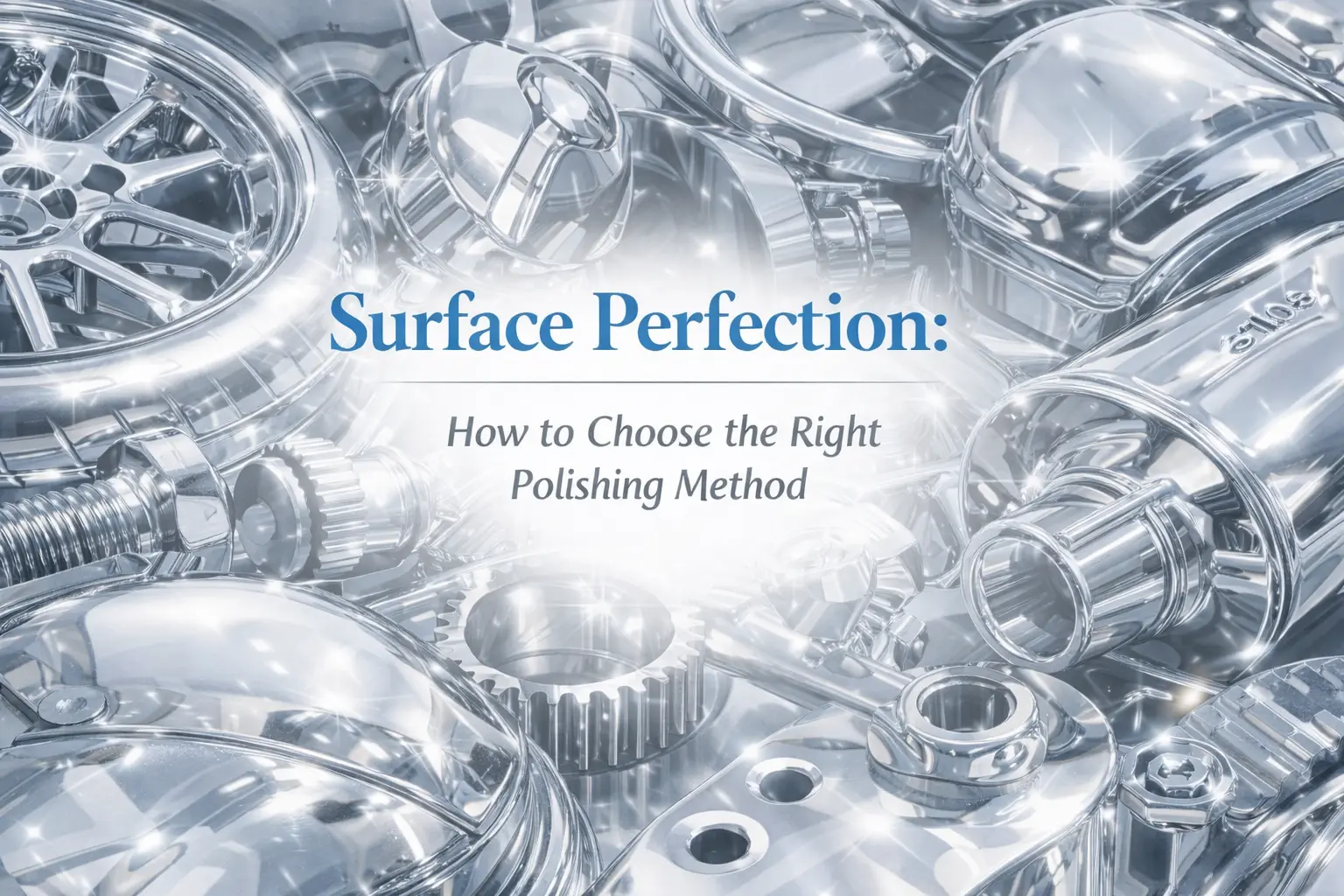
In modern manufacturing and prototyping, the quality of a product is often judged by the finish of its surfaces. Polishing is a crucial step that not only enhances the appearance of parts but also improves their performance and longevity. From metals like aluminum, steel, and brass to plastics and ceramics, the right polishing technique can make a significant difference in aesthetics, precision, and functionality. This guide will explore the essential polishing methods, their applications across different materials, and key considerations to achieve flawless results in every project.
Polishing is a critical finishing process used in manufacturing to refine the surface of a material, remove imperfections, and enhance overall appearance. It goes beyond aesthetics — a well-polished surface can reduce friction, improve corrosion resistance, and prepare parts for further processing, such as coating or plating. Different industries, from aerospace to electronics, rely on polishing to achieve precision and consistency in their components. Choosing the right polishing method ensures that the part meets both functional and visual requirements.
Key benefits of polishing include:
Polishing can be performed using a variety of techniques depending on the material, desired finish, and production requirements. Here are some commonly used methods:
Each method offers unique advantages and is chosen based on the material type, surface finish requirements, and production volume. In practice, multiple polishing steps are often combined to achieve the best results.
Different materials require different polishing techniques to achieve optimal results. Understanding the material’s properties is essential for selecting the right approach.
Each material type demands tailored polishing methods to protect structural integrity while achieving the desired surface finish.
Selecting the most appropriate polishing method depends on multiple factors:
Understanding these factors ensures efficient polishing that meets both aesthetic and functional requirements. Combining methods or customizing processes often results in the best outcomes.
At WinsunProto, we provide a wide range of polishing services tailored to meet the needs of various industries and materials. Our expertise ensures both high-quality finishes and consistent results.
Whether you need small-batch prototyping or large-scale production, WinsunProto delivers reliable polishing services to enhance both function and appearance.
Q: What is the difference between polishing and buffing?
A: Polishing removes surface imperfections using abrasives or chemical processes, while buffing is usually the final step that enhances shine and achieves a reflective finish.
Q: How can I achieve a mirror-like surface?
A: Achieving a mirror finish typically requires multiple polishing stages, including fine mechanical polishing, chemical or electrochemical polishing (for metals), and final buffing.
Q: Can all materials be polished?
A: Most metals, plastics, glass, ceramics, and composites can be polished, but each material requires a method suited to its hardness, sensitivity, and geometry.
Q: Does polishing affect part dimensions?
A: Minimal material is removed during polishing, but careful process control ensures that tolerances are maintained, especially for precision components.
Q: How long does polishing take?
A: Time depends on material, part size, desired finish, and chosen method. Small parts with simple geometry may take a few minutes, while complex components may require several hours.
Polishing is an essential step in modern manufacturing, combining aesthetics, functionality, and durability. By selecting the right method for the material and desired finish, manufacturers can achieve smooth, visually appealing, and high-performing components. WinsunProto’s expertise in mechanical, chemical, and electrochemical polishing ensures consistent, high-quality results across a wide range of materials and industries. Whether for prototyping or full-scale production, professional polishing services enhance both the appearance and performance of every part.
